


Slow Drains After Hydro Jetting: Why Cast Iron Still Needs Restoration, Not Just Cleaning
Many homeowners breathe a sigh of relief after hydro jetting, expecting their slow drains to finally flow freely. But sometimes, only days or weeks later, the same sluggish drainage returns. This recurring problem can be frustrating, especially when you just invested in professional cleaning. The truth is, if your home has older cast iron pipes, hydro jetting may not solve the root problem. It clears debris and buildup, but it doesn’t repair the pipe’s internal damage.
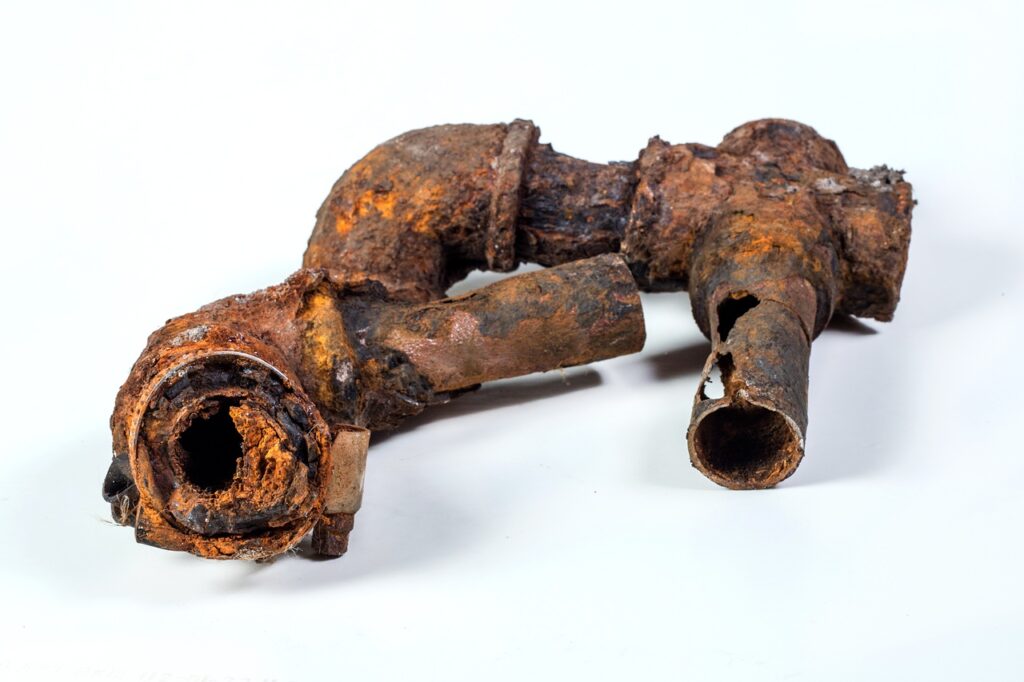
In many Orlando homes, cast iron plumbing is decades old, and corrosion inside these pipes creates rough, flaky surfaces. Even after hydro jetting removes buildup, the internal walls remain uneven, which traps debris again and causes water to move slowly. We Fix Drains helps homeowners fix this recurring issue with cast iron pipe restoration, a long-term solution that renews the pipe’s interior instead of just washing it out.
Why Hydro Jetting Alone Isn’t Enough for Cast Iron Pipes
Hydro jetting is one of the most effective ways to clean plumbing systems. It uses high-pressure water to blast through clogs, grease, and debris, restoring flow. For PVC or newer piping, hydro jetting can deliver great results. But for older cast iron systems, the benefits don’t last long.
Over time, cast iron corrodes from the inside, leaving scaly rust, pitting, and rough textures. When high-pressure water hits these surfaces, it removes surface debris but exposes deeper deterioration. The pipe walls stay jagged, allowing grease, hair, and waste to cling again almost immediately. This is why slow drains often return so soon after cleaning.
Hydro jetting is a short-term fix for a long-term problem. Without addressing the corroded structure, the pipe will continue to collect debris and lose water flow efficiency.
Understanding the Hidden Damage Inside Cast Iron Pipes
Cast iron pipes were installed in most Orlando homes built before 1975. While durable, these pipes naturally break down over decades due to constant exposure to moisture, oxygen, and household waste. Inside the pipe, corrosion forms thick rust scales and layers of mineral buildup. Eventually, small pieces of metal flake off, leaving holes or thin spots in the pipe wall.
Even if the pipe looks clean after hydro jetting, the underlying structure may still be compromised. These rough areas slow drainage and act like sandpaper, catching everything that passes through. Over time, the buildup returns, leading to backups, leaks, and even pipe collapse.
True repair requires restoring the interior surface, not just clearing blockages, so water can move smoothly without resistance or obstruction.
How Cast Iron Pipe Restoration Fixes the Real Problem
Pipe restoration addresses the root cause of slow drains in older plumbing systems. Instead of repeatedly cleaning the pipe, it rebuilds the inside so it performs like new.
The process starts with a camera inspection to see the exact condition of your pipes. Next, mechanical descaling removes rust, corrosion, and rough patches using specialized tools. This step smooths the pipe interior, preparing it for the final phase, epoxy lining.
Epoxy lining creates a new, seamless inner layer that seals cracks, prevents further corrosion, and restores smooth water flow. This lining essentially gives you a new pipe within your existing one. It stops future buildup, eliminates leaks, and keeps your drains clear for decades.
At We Fix Drains, our technicians specialize in this restoration process. We use trenchless methods that repair pipes from the inside, so there’s no digging, no damage to your floors, and no disruption to your home.
Why Drains Stay Slow After Professional Cleaning
Many homeowners assume that slow drains after hydro jetting mean the cleaning wasn’t done properly, but that’s rarely the case. The cleaning likely worked, but it just didn’t solve the deeper problem. The rough interior of a corroded cast-iron pipe acts like a magnet for residue. Even a thin layer of scale or rust can drastically reduce flow efficiency.
Another issue is pipe sagging or low spots caused by soil movement beneath your foundation. These low sections collect water and debris, slowing drainage. Jetting removes buildup but doesn’t correct alignment or restore internal structure.
If your drains slow down again soon after cleaning, it’s a sign that your pipes need restoration, not another jetting service. Cast iron pipes can’t be maintained by cleaning alone once corrosion has advanced.
The Long-Term Benefits of Cast Iron Pipe Restoration
Restoring cast iron pipes is a one-time investment that saves homeowners years of frustration. Once the epoxy liner is installed, your plumbing gains a smooth, non-corrosive surface that resists future buildup. Here’s what you can expect:
- Consistent flow: The smooth interior prevents clogs and slow drains.
- Corrosion resistance: The epoxy lining stops rust and scale from forming again.
- Leak prevention: Cracks, pinholes, and weak joints are sealed permanently.
- Extended pipe life: Restored pipes can last 50 years or more.
- Lower maintenance costs: No more repeated cleanings or emergency calls.
For Orlando homeowners, pipe restoration also means protecting your home from damage caused by leaks or backups. With no need for excavation, your floors, walls, and yard stay intact throughout the process.
Signs That Your Cast Iron Pipes Need More Than Jetting
It’s easy to assume slow drains mean a clog, but they often signal deeper corrosion problems. You might need restoration if you notice:
- Drains are slowing again, soon after hydro jetting
- Gurgling or bubbling sounds from toilets or sinks
- Black, gritty water after cleaning
- Persistent sewer smells near drains
- Frequent backups across multiple fixtures
- Visible rust flakes or discoloration in your drains
If you see these signs, cleaning alone won’t fix the problem. A professional camera inspection can confirm whether your cast iron pipes are deteriorating and need restoration.
Why Orlando Homes Are Especially Vulnerable
Central Florida’s humidity, rainfall, and sandy soil accelerate cast iron corrosion. The constant moisture exposure and minerals in local water speed up rust formation inside old pipes. Many older neighborhoods in Orlando still have original plumbing systems that are now reaching the end of their lifespan.
Because hydro jetting doesn’t address structural damage, the problem quickly returns. Cast iron restoration offers a sustainable fix by sealing the pipe and stopping corrosion permanently. We Fix Drains provides trenchless restoration solutions designed specifically for Florida’s conditions, so homeowners can avoid repeated cleanings and costly replacements.
Common Problems We Solve for Orlando Homes
Homeowners across Orlando and nearby areas call us for persistent drain and pipe issues that cleaning alone can’t fix. We regularly handle:
- Slow drains after professional cleaning
- Rough or corroded pipe interiors are causing flow restrictions
- Recurring clogs in cast iron plumbing
- Rust flakes in water or drains
- Sewer odors inside the home
- Weak pipe walls and minor leaks
Our pipe restoration service eliminates these problems for good by restoring your system’s structure and performance.
FAQs
1. Why do my drains stay slow after hydro jetting?
Your drains may still be slow because corrosion and rough surfaces inside cast iron pipes catch debris even after cleaning.
2. How is pipe restoration different from hydro jetting?
Hydro jetting cleans pipes, while restoration rebuilds the interior surface, sealing corrosion and improving water flow long-term.
3. Can hydro jetting damage old cast iron pipes?
In severely corroded pipes, high-pressure jetting can loosen flakes or cause further wear, so inspection before cleaning is important.
4. How long does restored cast iron piping last?
Epoxy-lined pipes can last over 50 years, providing a smooth, corrosion-resistant surface that eliminates recurring slow drains.
5. Does restoration require digging up my floors or yard?
No. The restoration process is trenchless, meaning the repairs happen through existing access points without excavation.
Get lasting flow, not temporary fixes. Contact We Fix Drains at 407-426-9955 for cast iron restoration that ends slow drains for good.