


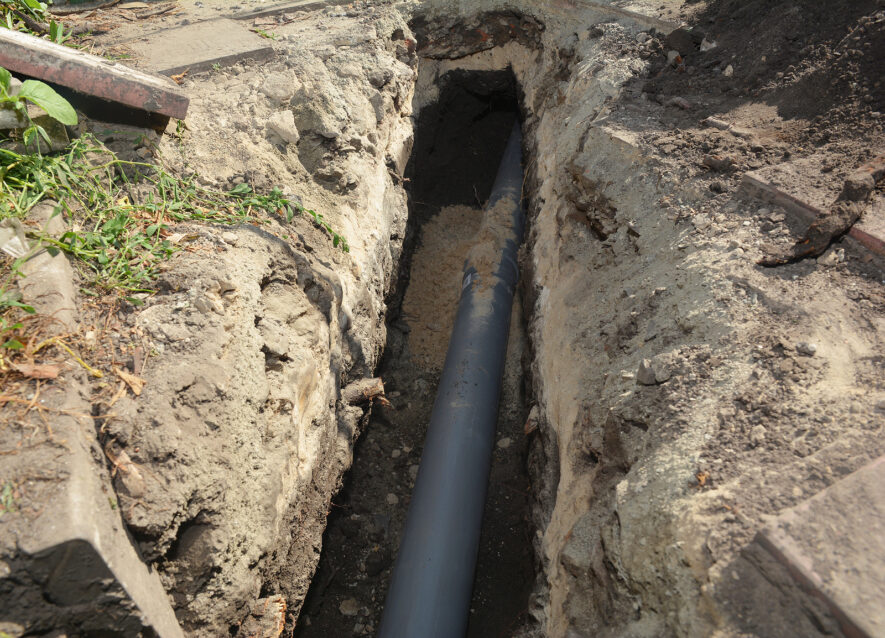
How Restored Pipes Improve Daily Drain Performance Without Major Construction
Most homeowners think pipe work means noise, dust, broken floors, torn-up yards, and a long stretch of disruption. That idea keeps many people from dealing with drain problems early. They live with slow sinks, tubs that empty too slowly, recurring backups, or odors that seem…
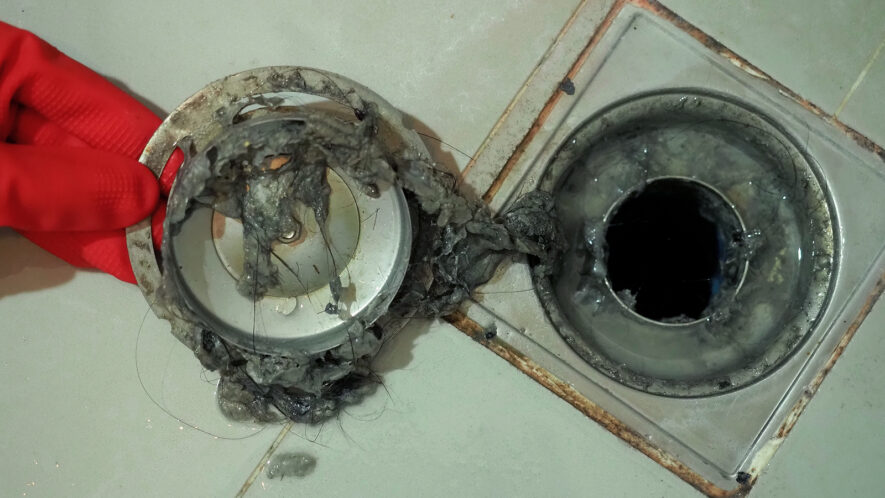
Why Sewer Odors Return After Cleaning When the Pipe Interior Stays Damaged
A sewer odor that comes back after cleaning frustrates homeowners because it feels like the problem should already be solved. The drain was cleared. The smell faded. Then, days or weeks later, that same foul odor crept back into the bathroom, kitchen, laundry room, or…
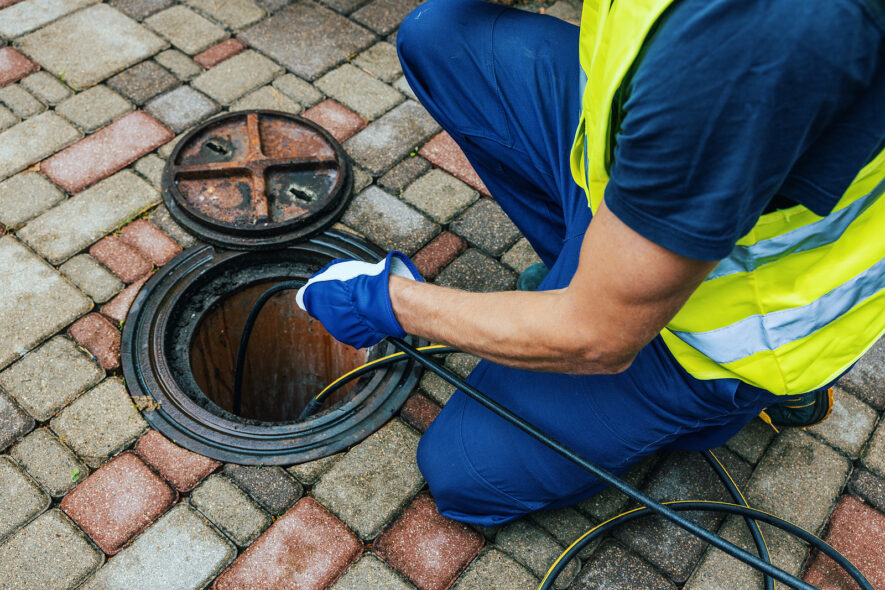
Why Drain Refinishing Depends on Surface Preparation More Than Homeowners Realize
Drain refinishing sounds simple from the outside. Many homeowners hear that a damaged drain can be coated or restored from the inside and assume the main step is the final lining itself. That part matters, but it is not the part that determines whether the…
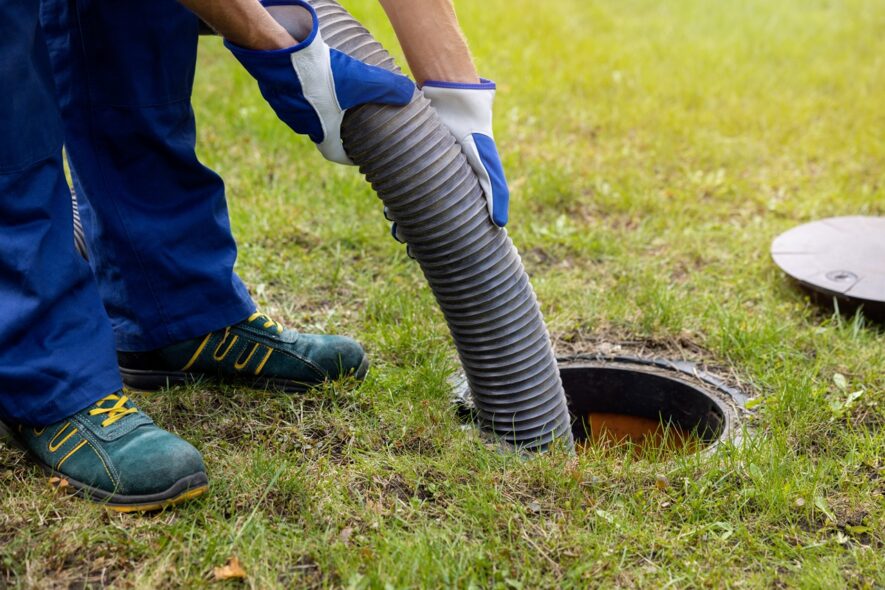
How Drain Refinishing Helps Fix Repeat Backups in Pipes With Surface Breakdown
A drain that backs up once can come from a simple blockage. A drain that backs up again and again usually points to something deeper. Many homeowners in Orlando and the surrounding areas deal with this exact pattern. The line gets cleaned, the water flows…
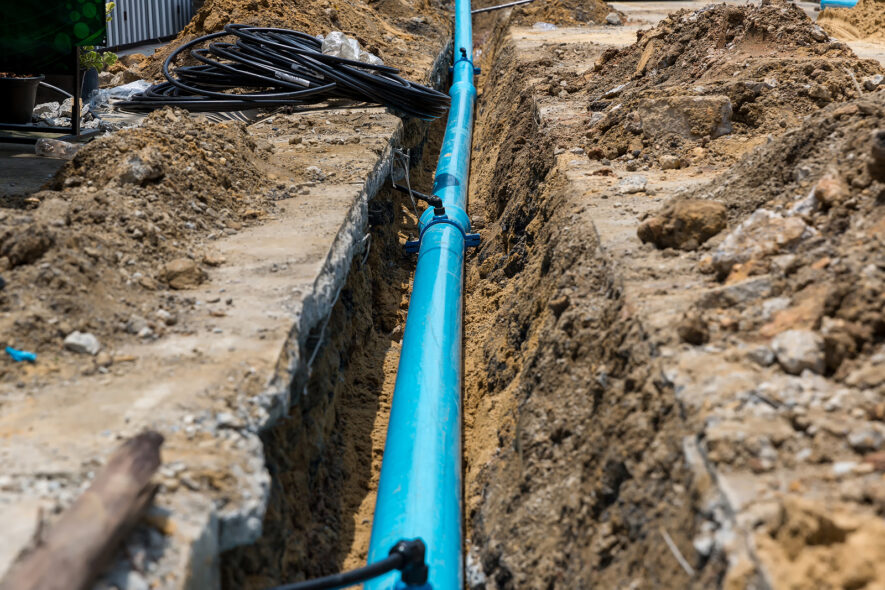
How Trenchless Pipe Repair Restores Structural Strength Without Increasing Pipe Thickness
Many homeowners picture pipe repair as something bulky. They imagine adding layers, wrapping the pipe in heavy material, or replacing it with something thicker and stronger. That idea makes sense on the surface. If something weakens, you make it thicker. Sewer lines do not work…
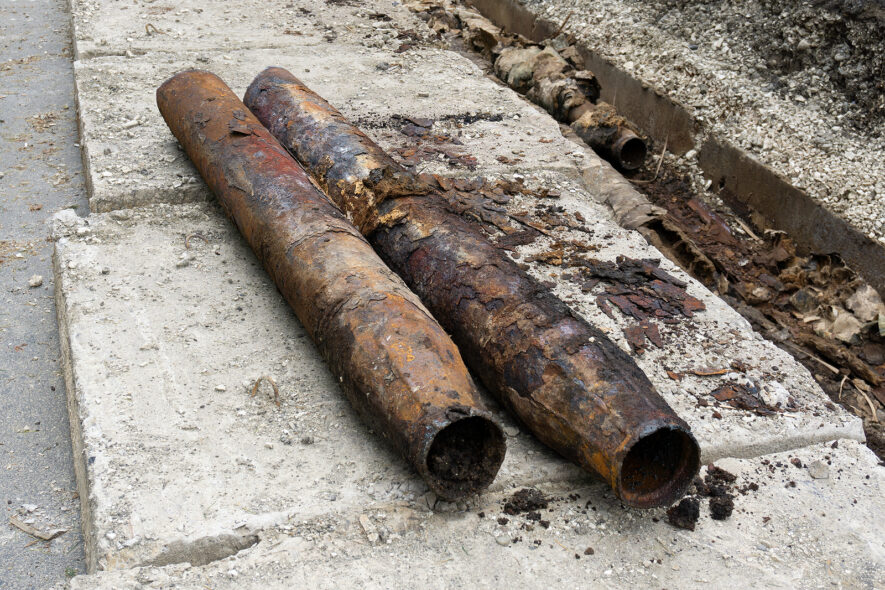
What Happens Inside Cast Iron Pipes After Decades of Moisture Exposure
Cast iron pipes served homes for generations. Builders trusted them for strength and long life. Many homes in Orlando and the surrounding areas still rely on original cast iron drain systems that date back forty, fifty, even sixty years. From the outside, everything may look…
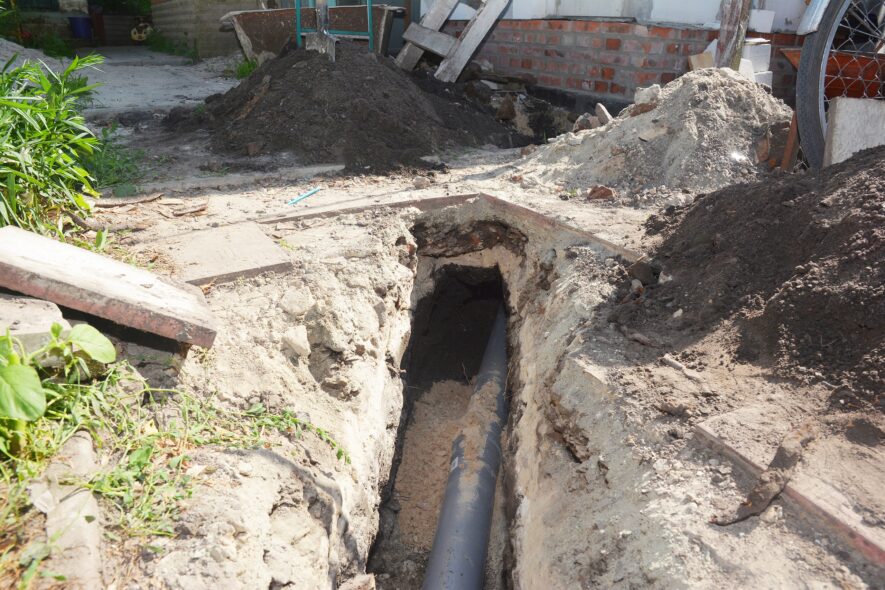
Persistent Low Spots in Sewer Lines and How Trenchless Solutions Correct Them
Sewer lines rely on gravity. Water and waste move through the pipe because the line slopes slightly downward from the house to the city connection or septic system. That slope may look small on paper, but it makes all the difference. When the slope changes…
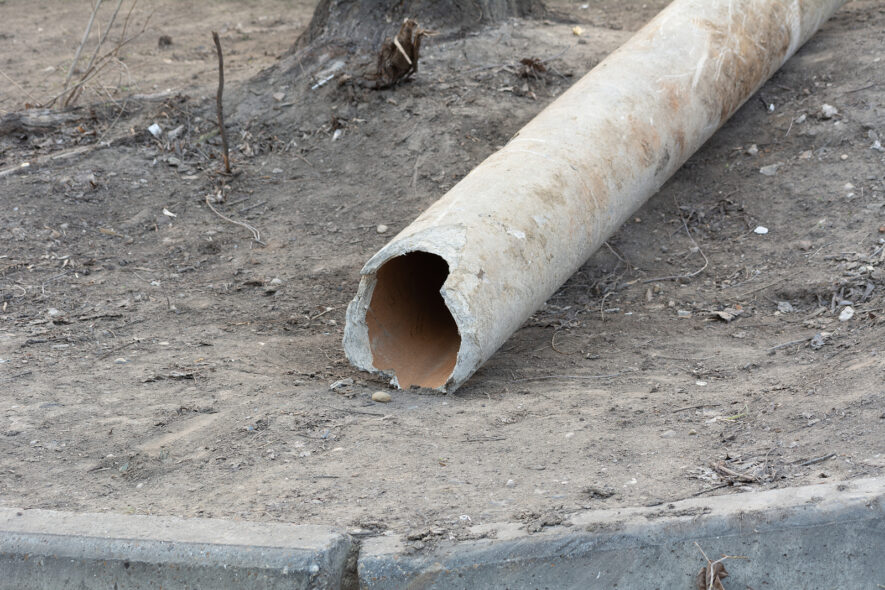
Cast Iron Pipe Bellies That Trap Waste and How Restoration Stabilizes Them
Cast iron pipes built many homes across Orlando and the surrounding areas decades ago. At the time, builders relied on their strength and durability. Those systems carried waste effectively for years. Time, moisture, and soil movement slowly change underground conditions. One common structural problem that…

What Repeated Toilet Overflows Reveal About Sewer Line Capacity and Aging Pipe Design
A toilet that overflows once can point to a simple blockage. A toilet that overflows again and again tells a very different story. Repeated toilet overflows rarely come from the toilet itself. They signal deeper limits inside the sewer line, often tied to pipe size,…

Why Professional Drain Cleaning Focuses on Pipe Surfaces, Not Just Removing the Clog
Most people think drain cleaning means pulling out a clog and calling the job done. That idea sounds logical until the same drain slows down again weeks later. Real drain problems rarely come from one isolated blockage. They develop over time as pipe surfaces change,…