


Cast Iron Pipe Bellies That Trap Waste and How Restoration Stabilizes Them
Cast iron pipes built many homes across Orlando and the surrounding areas decades ago. At the time, builders relied on their strength and durability. Those systems carried waste effectively for years. Time, moisture, and soil movement slowly change underground conditions. One common structural problem that develops in older cast iron systems is a pipe belly.
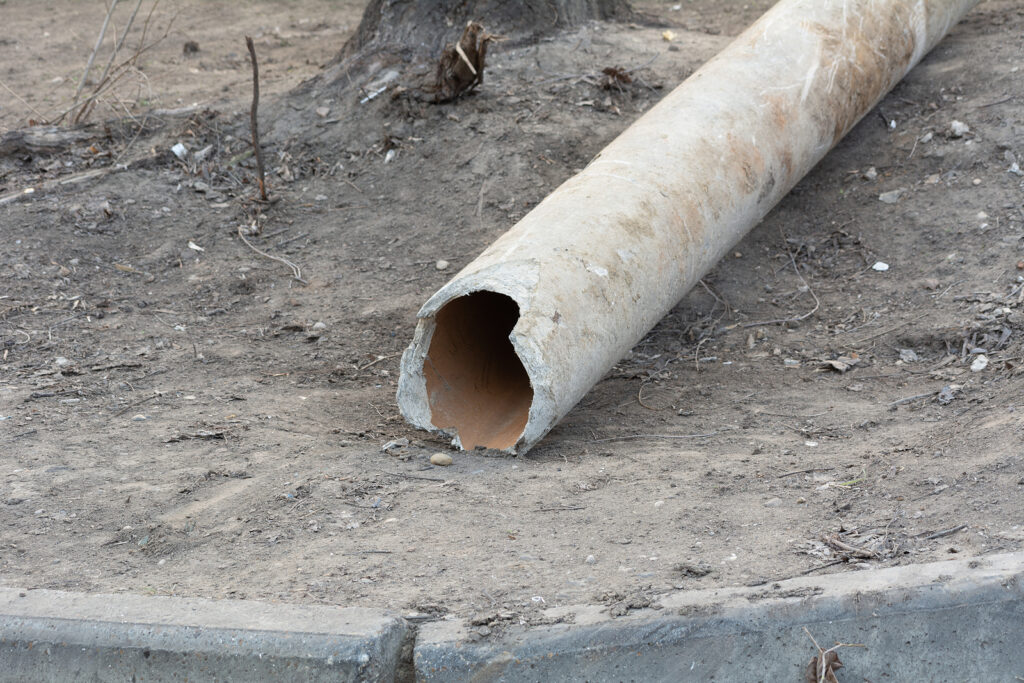
A pipe belly forms when a section of sewer line sinks below its intended slope. Instead of flowing smoothly downhill, water and waste collect in that low section. In cast iron systems, this issue often becomes worse because corrosion weakens the pipe at the same time. The result creates a trap for solids, debris, and buildup.
Many homeowners think repeated clogs mean something got flushed that should not have. In reality, the pipe’s shape may have changed beneath the yard or slab. Understanding how cast iron pipe bellies form and how restoration stabilizes them can help homeowners avoid repeated backups and costly emergency repairs.
What a Cast Iron Pipe Belly Really Means
A proper sewer line relies on gravity. It needs a consistent downward slope from the home to the main connection. Even a slight change in alignment can disrupt flow. A belly does not mean the entire pipe collapsed. It means a portion of the pipe has sagged enough to create a low point. Water pools there instead of moving through.
In cast iron pipes, corrosion often weakens the bottom portion first. Soil beneath the pipe may shift or compact unevenly. As support decreases, the pipe dips. That dip becomes a holding area for waste. Each time water flows through the line, some material remains behind. Over time, buildup increases.
Why Cast Iron Pipes Are Vulnerable to Bellies
Cast iron does not bend easily when new. After decades of moisture exposure, the metal thins and loses some structural strength. The bottom of the pipe faces the most contact with water and waste. Corrosion tends to concentrate there. As rust forms and flakes away, the wall becomes thinner.
Soil pressure from above adds stress. Heavy rain and groundwater movement shift the supporting soil. Once the pipe loses consistent support, gravity pulls the weakened section downward. The combination of corrosion and soil movement makes older cast iron systems more prone to sagging.
How Bellies Trap Waste and Create Recurring Clogs
Water can flow through a small dip. Solids often cannot. In a sagging section, water slows down. Slower water carries less material. Toilet paper, organic waste, soap residue, and small debris settle in the pooled area. Each new flush pushes additional material into the same spot.
Cleaning may remove surface buildup temporarily. The low spot remains. Waste settles again.
Homeowners often experience:
- Frequent clogs in toilets
- Slow draining tubs and sinks
- Gurgling sounds after flushing
- Backups during heavy water use
These symptoms often repeat because the structural issue remains.
Why Traditional Cleaning Does Not Solve the Problem
Drain cleaning removes blockages. It does not correct pipe alignment. If the pipe still sags, water continues to collect. High pressure jetting clears buildup from the belly. Within weeks or months, debris returns. The cycle repeats.
Many homeowners spend years addressing symptoms instead of the root cause. A proper inspection helps determine whether the pipe shape has changed.
How Camera Inspections Confirm a Belly
A sewer camera travels through the pipe and shows live footage of the interior. In a healthy pipe, the camera lens remains mostly dry when no water flows. In a pipe with a belly, the camera dips into standing water. The technician measures the length and depth of the pooled section.
This visual evidence removes guesswork. It shows exactly where waste collects and how severe the sag has become. Accurate diagnosis guides the next step.
How Restoration Stabilizes a Cast Iron Belly
Restoration focuses on reinforcing and stabilizing the weakened section from within. Instead of digging up the entire yard or slab, trenchless methods create a new structural interior. Pipe lining adds a durable inner layer that bonds tightly to the existing cast iron. This liner strengthens the pipe wall and distributes stress more evenly.
While lining may not completely eliminate every minor slope variation, it reinforces thin areas and prevents further sagging. The smooth interior surface also reduces friction, helping waste move through shallow dips more effectively. In moderate cases, restoration significantly reduces buildup and recurring clogs.
How Structural Reinforcement Prevents Worsening
A belly rarely stays the same. Without support, gravity and soil movement continue to act on the pipe. Reinforcement stabilizes weakened sections. The restored interior resists further deformation. By sealing cracks and isolating the old metal from moisture, restoration slows ongoing corrosion. Stopping active deterioration prevents the sag from deepening over time.
When Full Replacement May Be Necessary
Some severe bellies involve collapsed sections or extreme misalignment. In those cases, targeted replacement of a short section may be required before restoration. Many homeowners assume any sag requires major excavation. Modern inspection and repair methods often allow professionals to preserve much of the original system. An evaluation determines whether the pipe maintains enough shape to support restoration.
Why Acting Early Protects the Home
Persistent pooling inside a cast iron belly exposes the pipe wall to constant moisture and waste contact. Corrosion accelerates. Thin sections may crack. Leaks beneath a slab can damage flooring or foundation. Soil beneath the home may erode.
Addressing the issue before collapse reduces risk. Stabilization protects both the pipe and the property above it.
Orlando Soil Conditions and Cast Iron Bellies
Orlando and surrounding areas experience fluctuating soil moisture. Heavy rain saturates the ground. Dry periods cause contraction. These cycles create movement beneath underground utilities. Older cast iron pipes that have already thinned from corrosion respond poorly to shifting support.
Understanding local soil behavior helps explain why pipe bellies develop more frequently in aging systems.
Signs That Suggest a Cast Iron Belly
Homeowners should watch for:
- Recurring clogs despite regular cleaning
- Slow drainage across multiple fixtures
- Water backing up during laundry or heavy use
- Sewer odors near drains
- Unexplained damp spots near slabs
These signs do not confirm a belly alone, but they often indicate a structural flow issue.
Long Term Benefits of Stabilizing the Pipe
Restoring structural strength improves flow consistency. Waste moves more efficiently. The risk of repeat blockages decreases. Stabilization also extends the usable life of the system. By isolating the old cast iron from ongoing moisture exposure, restoration slows further corrosion. Homeowners gain confidence in their sewer system without facing unnecessary excavation.
FAQs About Cast Iron Pipe Bellies
What causes a cast iron pipe belly?
Soil movement and corrosion weaken the pipe and allow it to sag.
Can a pipe belly fix itself?
No, the sag will not correct without intervention.
Does lining remove the sag completely?
Lining reinforces the pipe and improves flow, but severe sags may require additional repair.
How do I know if I have a pipe belly?
A camera inspection shows standing water and alignment changes.
Is restoration better than repeated cleaning?
Restoration addresses structural weakness instead of only removing buildup.
Recurring sewer clogs in Orlando may signal a cast iron pipe belly. Call We Fix Drains at 407-426-9955 for inspection and stabilization solutions.