


Bathtub Filling With Gray Water After Guests Shower: What Multi-Fixture Overload Reveals About Your Drain System
A bathtub filled with gray water after guests finish showering usually looks like a one-time inconvenience, but it points to a deeper plumbing problem that rarely fixes itself. This kind of backup does not happen because the tub drain suddenly clogged. The tub only shows what the rest of the line cannot handle. Every shower, sink, and drain tied to the same branch pushes water toward one main exit. When that exit narrows, the line reacts by sending the excess water to the lowest visible point. In most homes, that point is the bathtub.
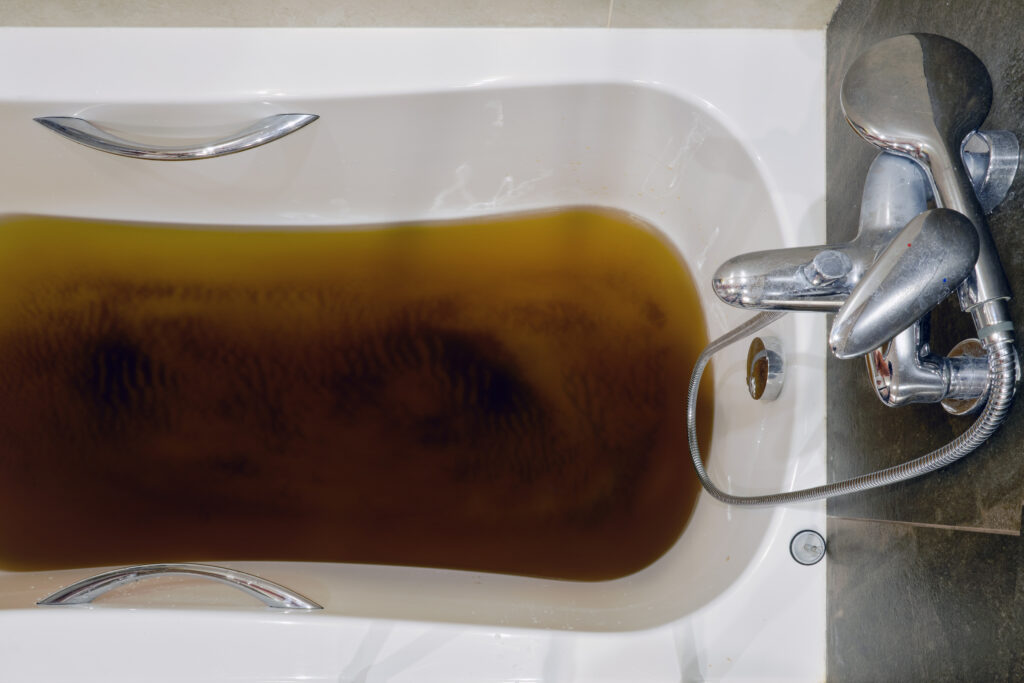
Homes around Orlando deal with this often, especially during weekends or holidays. More people stay inside, showers run longer, soaps and conditioners move through the system, and the line reaches its limit. Once the branch hits that limit, the tub fills with gray water because the drain below it slows down or stalls.
Understanding why this happens gives you a clear picture of what part of the system needs attention and why regular cleaning alone rarely prevents the next backup.
Why Guest Use Triggers the Backup Faster Than Normal Daily Use
Guest showers add more strain to a line that already carries buildup. Family members usually follow predictable routines. Guests might take longer showers, use more products, wash hair more often, or run the water at higher temperatures. This extra flow moves debris from different fixtures into the same branch, and the line reacts as soon as it cannot push that flow toward the main sewer.
A small amount of buildup in your drain line stays harmless for months. Once you add three or four long showers back-to-back, the water overwhelms the narrowed passage. The branch does not have the volume to carry that load, so the bathtub holds the overflow.
Guest weekends highlight a problem that already existed. They do not create the blockage. They simply reveal the exact point where the line restricts enough to lose its normal flow capacity.
What Gray Water in the Bathtub Tells You About the Location of the Restriction
Gray water in a tub carries tiny soap particles, shampoo residue, and conditioner oils that come from the shower drain. That mix tells you the backup sits before the branch reaches the main line. If the main line stood clear, the shower water would move past the tub connection without any hesitation.
The tub sits at a lower elevation than the shower drain in most homes. When the line cannot keep up, pressure pushes water to the lowest outlet, which is the tub. This points to a restriction in the shared bathroom drain line, usually a few feet past the shower connection but before the main stack or lateral.
People often assume the tub drain clogged, but the tub only displays what the line beneath it struggles to move. No amount of plunging solves this type of issue because the trap under the tub does not cause the problem. The restriction sits much farther down the branch.
Why Shampoo, Conditioner, and Shower Products Speed Up the Problem
Every shower sends oils, waxes, and emulsifiers into the drain system. These products grab onto tiny rough spots inside older pipe walls. Orlando homes built with cast iron lines experience this the most. As the pipe ages, corrosion creates sharp pits inside the pipe. Shampoo oils spread along these pits and trap hair, soap film, and tiny skin particles. Conditioner waxes create a sticky layer that thickens over time.
As guests take showers, this layer grows softer and thicker. Hot water melts the oils and spreads them farther into the line. Cold water from flushing toilets and washing hands later causes the oils to harden again. That cycle forms a ridge inside the drain that narrows the path. Once the ridge grows too thick, the branch cannot move water from multiple fixtures at the same time.
This explains why you might see normal drainage one day and a gray-water tub the next. The buildup grows gradually and only reveals itself under high flow demand.
How Multi-Fixture Overload Shows You the True Condition of Your Bathroom Drain System
A bathroom drain system normally handles shower flow, sink flow, and toilet flow at the same time. When a branch line stays healthy, all this water moves through the system without struggle. A multi-fixture backup tells you the pipe cannot accept normal volume.
Common overload signs include:
• Bathtub fills with murky water after a shower
• Sink gurgles while someone showers
• Toilet burps or bubbles when the tub drains
• Shower drain slows down during back-to-back showers
• Gray water returns hours after the bathroom sits unused
• Odor builds around the tub overflow
Each sign tells you the line lost internal space. The path narrowed enough to push water backward instead of forward. A small clog does not cause this. Only a deeper obstruction involving grease, hair buildup, waxes, or rough cast iron walls can produce multi-fixture symptoms.
How Professional Diagnosis Confirms the True Source of the Backup
A proper evaluation starts with a camera inspection through a nearby cleanout. The technician sends a camera into the branch line until they catch the point where water slows, swirls, or stacks. That point reveals the depth of the restriction. Rough cast iron walls appear dark and scaly on camera. Grease buildup shows up as cloudy streaks or thick layers around the bottom of the pipe. Hair clumps appear as dense tangles stuck behind the grease layer.
Once the camera identifies the cause, the technician decides whether the line needs jetting, mechanical descaling, refinishing, or a structural liner. A simple clog never causes this pattern. Only a deeper obstruction or structural wear creates the multi-fixture overload that forces gray water into the tub.
How the Correct Repair Clears the Line and Stops the Gray Water for Good
After diagnosing the line, the technician clears the buildup and restores the full diameter of the pipe. Jetting clears soft debris, grease, and soap film. Mechanical tools remove scale from cast iron and shave down rough pits. Refinishing smooths the interior so oils and hair no longer stick. Homes with severe cast iron decay benefit from lining, which seals cracks and creates a smooth, strong interior surface.
Once the wall becomes smooth again, all fixtures drain without cross-flow. The tub stays clear, even during long showers or heavy guest use. Toilets flush without burping. Sinks stop gurgling. The entire bathroom system returns to normal function because the hidden bottleneck no longer slows the line.
How to Prevent Future Gray-Water Backups During High Use
Preventive care keeps the line clear and avoids repeat issues. Simple habits make a major difference:
• Rinse the shower drain with hot water after heavy use
• Keep hair catchers in place and clean them often
• Avoid heavy conditioner use near the drain opening
• Run the bathroom sink for a few seconds after shaving or brushing
• Avoid flushing wipes that catch on rough cast iron walls
• Schedule drain maintenance at the first sign of slow flow
These habits reduce buildup and protect the system from overload during busy weekends or holidays.
Frequently Asked Questions
Why does gray water show up in the tub after guests shower?
The bathroom branch line narrows and cannot carry the high flow load. Water finds the lowest outlet, which is the bathtub.
Why does this happen only during heavy use?
The line stays partially restricted. Normal use does not push enough water to cause a backup. Guest showers increase the demand and expose the weak point.
Does the tub drain need cleaning?
The tub drain rarely causes this issue. The deeper branch line holds the buildup, not the trap under the tub.
Why does the toilet gurgle when the tub fills with gray water?
The toilet shares the same branch. Air escapes through the toilet line because the water hits a blockage deeper in the system.
How does a camera inspection help fix the issue?
The camera identifies the exact location and cause of the restriction so the technician can clear or restore the line properly.
Clear multi-fixture backups before they spread. Call We Fix Drains at 407-426-9955 in Orlando, FL for a camera-proven fix that restores real flow fast.