


How Drain Refinishing Helps Fix Repeat Backups in Pipes With Surface Breakdown
A drain that backs up once can come from a simple blockage. A drain that backs up again and again usually points to something deeper. Many homeowners in Orlando and the surrounding areas deal with this exact pattern. The line gets cleaned, the water flows better for a while, and then the same sink, tub, or branch line starts slowing down again. That cycle often means the inside of the pipe has started to break down.
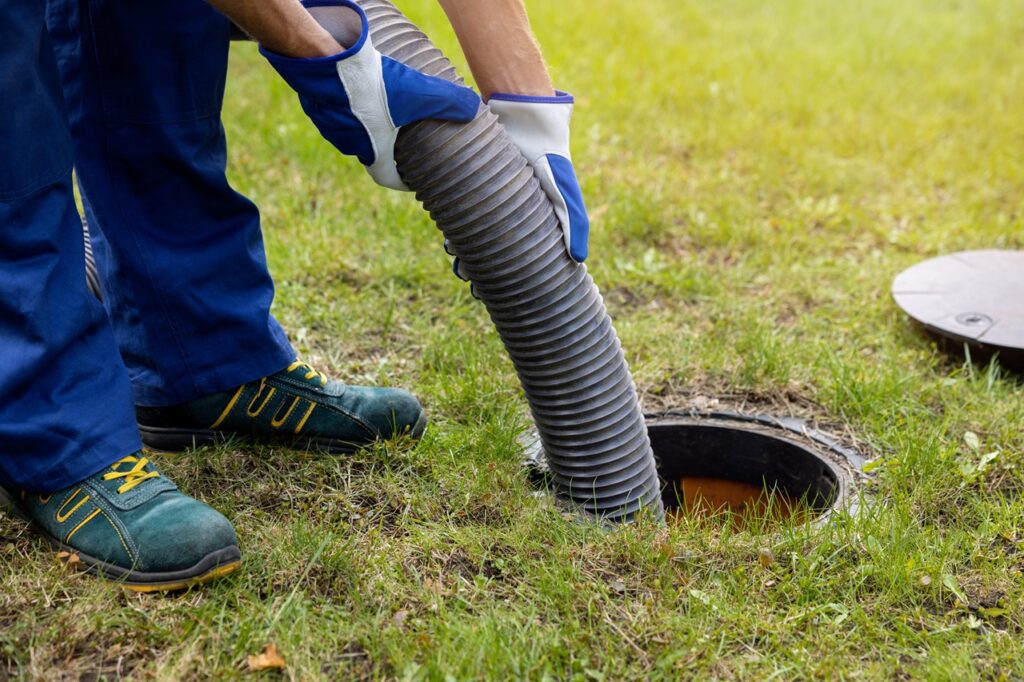
Surface breakdown changes how a drain behaves every day. The pipe may still be open enough to carry water, but the interior wall no longer stays smooth. Corrosion, scaling, pitting, flaking, and worn spots create places where waste catches easily. Hair, soap film, grease, food residue, and sludge begin to collect faster than they should. That is why repeat backups often return even after a good cleaning. The blockage is gone, but the damaged surface that caused it is still there.
Drain refinishing helps solve that problem by restoring the interior surface of the pipe. Instead of focusing only on what is blocking the line today, refinishing addresses why the line keeps trapping debris in the first place. For homeowners who want a lasting improvement without major construction, that makes a real difference.
Why Repeat Backups Often Start With Pipe Surface Damage
A healthy drain line depends on a smooth path. Water carries waste through the system best when the inside of the pipe gives debris very little to grab. Over time, that surface can change. In older cast iron pipes, rust and scale build up along the wall. In other words, wear, abrasion, or years of residue leave the inside rough and uneven.
Once the surface changes, every use of the drain starts working against the pipe instead of with it. Soap sticks to rough spots. Grease bonds more easily. Hair wraps around pits and flakes. Small debris that should pass through begins staying behind. None of this has to form a full clog right away. It can simply narrow the path a little at a time until backups become part of normal life.
This is why so many repeat drain problems look confusing at first. The line is not always fully blocked. It is just no longer clean enough or smooth enough to stay clear between service calls.
Why Basic Cleaning May Not Stop The Problem For Long
Drain cleaning has an important role. It removes active buildup and opens the line again. In many homes, that is exactly what needs to happen first. Still, cleaning does not rebuild a damaged pipe wall. It removes what has collected on the surface, but it does not always change the condition of the surface itself.
That matters because a pipe with a breakdown inside it tends to start collecting debris again almost immediately. A kitchen line may start building grease again in the same rough section. A tub drain may begin catching hair and soap in the same pitted area. A bathroom sink may produce the same dark sludge because the interior still has places for biofilm and residue to hold on.
This is why some homeowners feel like the same repair keeps happening over and over. They are not imagining it. The line does improve after cleaning, but the underlying reason for the repeated backup remains in place. Drain refinishing helps bridge that gap between temporary clearing and long-term surface correction.
What Surface Breakdown Looks Like Inside A Drain Pipe
Most homeowners never see the inside of their drain line until a camera inspection happens. Once they do, the problem becomes much easier to understand. Surface breakdown does not usually mean one dramatic hole or collapse. More often, it means the pipe wall has lost the smooth finish it once had.
In older cast iron, it can look like scaling, flaking, rough channels, and deep pitting. In line with years of buildup, it may look like a heavy coating of old residue that bonded to the wall and changed the pipe shape. In some cases, the lower part of the pipe becomes uneven enough that water still flows, but solids and waste catch in the same worn path over and over.
That kind of breakdown changes how the drain works every day. Water may still get through, but not in a way that keeps the line self-clearing. That is where repeat backups begin.
How Drain Refinishing Changes The Inside Of The Pipe
Drain refinishing focuses on the inner wall of the line. The goal is not just to remove what is stuck there now, but to improve the surface so it does not keep causing the same problem. After proper preparation and cleaning, refinishing creates a smoother interior that reduces the places where waste can catch and hold.
This smoother path matters because water and debris need consistency to move through the line properly. Once the inside of the pipe becomes more even again, hair has fewer rough edges to tangle around. Grease has fewer pits to cling to. Soap and sludge have less chance to build up in the same troublesome areas.
For homeowners, that often means fewer repeat clogs, more stable daily drainage, and a line that performs more like it should without needing major excavation or full replacement.
Why Preparation Is Such A Big Part Of Refinishing Success
Refinishing only works well when the pipe is properly prepared first. That means the line has to be cleaned deeply enough to remove the buildup, loose corrosion, residue, and unstable material that sits on the wall. A damaged pipe cannot simply be coated over without addressing what is underneath.
This step matters because the refined surface needs a stable base. If grease, sludge, or flaking rust remain behind, the result will never be as strong or as smooth as it should be. In Orlando homes with aging cast iron or heavy residue buildup, this part of the work often determines how well the restored line performs afterward.
Homeowners sometimes focus on the final refinishing step because it sounds like the actual repair. In truth, the preparation stage is just as important. It is what gives the pipe a real chance to improve instead of just looking temporarily better.
Why Refinishing Helps In Homes With Older Cast Iron
Older cast iron systems are some of the best examples of where drain refinishing can make a real difference. Cast iron does not usually fail all at once. It degrades over time from moisture, waste exposure, and internal corrosion. The result is a rough pipe that keeps trapping debris long before it completely gives out.
That is why many older Orlando area homes deal with repeat backups in kitchens, bathrooms, tubs, and branch lines. The line may still have enough overall structure to function, but the surface condition has fallen off enough that daily use keeps creating the same trouble.
Refinishing helps because it gives that line a smoother interior again. It reduces the hold that corrosion and scale once had on debris. It also helps isolate the old surface from the daily conditions that kept making it worse. For many homeowners, that means the drain stops feeling like a constant maintenance problem.
How Refinishing Improves Everyday Drain Performance
The benefit of drain refinishing is not limited to avoiding the next backup. It can improve how the system feels during normal daily use. Sinks may empty faster. Tubs may stop holding water around your feet. Toilets and branch lines may recover better after heavy use. Odors may improve because waste no longer sits in damaged pockets inside the pipe.
These daily changes happen because the line stops fighting against the normal flow. A rough pipe creates drag and traps material. A smoother restored pipe lets water do its job with less resistance. That affects how the entire house feels, especially in homes where the drains have been gradually slowing down for years.
Homeowners often do not realize how much they have adapted to poor performance until the system starts working properly again.
Why This Matters More In Orlando And Surrounding Areas
Orlando area homes often deal with a combination of aging plumbing, high humidity, and years of daily moisture exposure. Those conditions can speed up the kind of surface damage that leads to repeat backups. Older cast iron lines are especially common in established neighborhoods, and those systems tend to show roughness, corrosion, and residue buildup that create recurring drainage problems.
That is why refinishing can be such a useful option in this region. It helps homeowners improve the working condition of their drain lines without assuming every recurring backup means full replacement. In many cases, the structure of the pipe still gives the home a chance for restoration. What the line needs is a smoother interior and better flow conditions, not another short-term clearing.
When Repeat Backups Suggest You Need More Than Cleaning
A few signs often point toward surface breakdown instead of a one-time blockage. If the same fixture backs up after repeated cleaning, if odors return quickly, or if the line flows better for a short time and then slips back into the same pattern, the surface condition may be the real issue.
That is especially true if a camera inspection shows rough wall texture, corrosion, pitting, old residue, or damaged sections that keep collecting waste. At that point, repeated cleaning may continue to buy time, but it will not change the reason the problem keeps coming back.
Drain refinishing gives homeowners a chance to address that reason directly. It improves the pipe wall, supports cleaner flow, and reduces the cycle of repeated backups that waste time and patience.
FAQs
Why do some drains keep backing up after they have already been cleaned?
That usually means the inside of the pipe still has rough or damaged surfaces that keep catching debris after the cleaning is done.
What does surface breakdown inside a drain pipe mean?
It means the interior wall has become rough, corroded, scaled, pitted, or worn enough to trap waste and slow normal flow.
How does drain refinishing help with repeat backups?
It improves the interior surface of the pipe so water and waste move more smoothly and have fewer places to catch and build up.
Is drain refinishing only for badly damaged pipes?
No. It can help pipes that still have enough structure but keep causing repeat backups because the interior surface has broken down.
Why is refinishing useful in older Orlando area homes?
Many older homes in the area have cast iron pipes affected by years of moisture, corrosion, and buildup, which makes repeat backups more likely.
Stop repeating backups at the source. Call We Fix Drains at 407-426-9955 for expert drain refinishing in Orlando and nearby areas.