


How Restored Pipes Improve Daily Drain Performance Without Major Construction
Most homeowners think pipe work means noise, dust, broken floors, torn-up yards, and a long stretch of disruption. That idea keeps many people from dealing with drain problems early. They live with slow sinks, tubs that empty too slowly, recurring backups, or odors that seem to come and go. The plumbing still works, so the problem gets pushed aside. Then one day the drains stop cooperating and the house demands immediate attention.
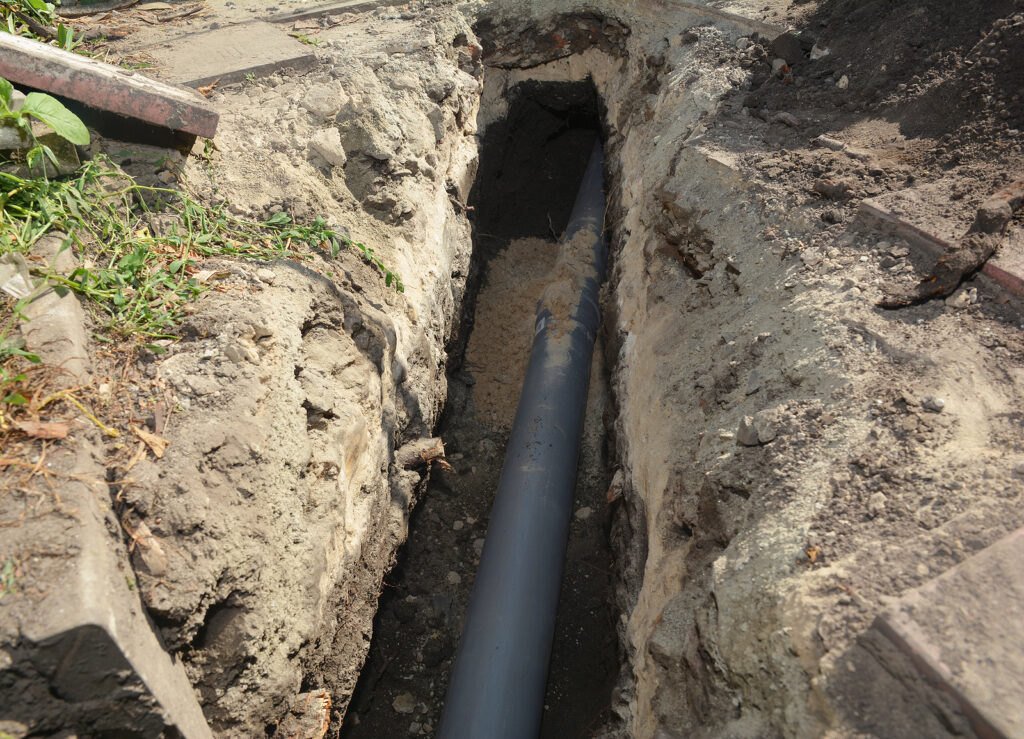
Pipe restoration changes that picture. It improves the way drains work every day without turning the home into a construction zone. Instead of removing large sections of pipe, restoration focuses on the inside of the existing line. It cleans, rebuilds, and reinforces the pipe wall so water and waste can move more freely again. That difference matters in older homes, especially in Orlando and the surrounding areas, where aging cast iron, humid conditions, and shifting soil can all affect drain performance over time.
A restored pipe does more than solve a plumbing emergency. It changes how the whole system behaves during daily use. Sinks drain with less hesitation. Toilets flush with more consistency. Tubs clear faster. Odors fade because waste no longer hangs inside rough or damaged sections. The biggest advantage is that homeowners can get these improvements without major demolition.
Why Daily Drain Performance Gets Worse Over Time
Drain systems do not usually fail all at once. The change happens gradually. A little buildup sticks to the pipe wall. A rough patch forms inside old cast iron. A minor low spot holds a small amount of waste after each use. Soap film catches hair. Grease grabs food particles. Rust scale narrows the opening little by little.
At first, the house still functions. The sink may take a few extra seconds to drain. The shower may leave water around your feet a little longer than before. The toilet may need a second flush once in a while. Since the changes arrive slowly, many homeowners adapt to them without realizing the drain system has lost performance.
That lost performance comes from interior resistance. Water and waste no longer move through a smooth, open pipe. They move through a line that has rough spots, narrowed sections, scale, corrosion, or old residue stuck along the wall. Every one of those conditions slows the flow.
Pipe restoration addresses those hidden conditions directly. Instead of chasing the symptom at the drain opening, it improves the flow path itself.
What Restored Pipes Actually Change Inside The System
A restored pipe gives the drain system a cleaner, smoother, and more stable interior. That change affects daily use more than many homeowners expect.
In an aging drain line, the inside surface often becomes rough enough to trap debris every day. A restored pipe removes that roughness from the equation. Once the wall becomes smooth again, water moves with less drag and waste has fewer places to catch. That means less standing residue after a sink drains or a toilet flushes.
Restoration also helps when the original pipe has started to weaken. Small cracks, interior scaling, and worn joints can all interrupt flow. A restored interior creates continuity again. Water does not have to push past flaky rust, uneven ridges, or corroded seams. It follows a more consistent path, which improves drainage throughout the house.
This is why restored pipes often make the entire home feel easier to live in, even before any major failure ever happens.
Why Smoother Pipe Walls Improve Everyday Flow
A lot of drain problems come down to friction. Homeowners often think clogs start as solid plugs. Many do not. Many start as slow accumulation on a damaged or rough interior wall.
Soap film does not cling well to a smooth surface. Hair does not tangle as easily on a pipe that does not have pits and flakes. Food waste moves more easily when the line does not have old grease ridges or corroded shelves along the bottom. Even toilet paper breaks down and clears more effectively when it does not snag on rough cast iron.
This matters in everyday use. The average home sends thousands of gallons through the drain system over time. Even minor friction becomes a big problem when repeated day after day. Pipe restoration reduces that resistance. Once the interior improves, the drain line stops fighting against normal household flow.
That is why homeowners often notice better drainage speed almost immediately after restoration.
How Restored Pipes Help Stop Repeat Clogs And Backups
A pipe that clogs once can clog again for many reasons, but repeat clogs often point to the same deeper issue: the line still has something inside it that keeps catching waste. Snaking may open a path through the middle of the blockage, but the rough walls remain. Basic cleaning may remove loose debris, but the underlying damage still invites buildup back into the same section.
Restoration changes the conditions that make repeat clogs possible. It does not just remove what is in the line. It improves the line so debris has fewer places to stay behind.
This can make a major difference in kitchens, bathrooms, and main branch lines. A kitchen sink that backed up every few months may begin flowing steadily again because grease no longer bonds to an old, rough surface. A bathroom sink may stop producing black sludge because biofilm and residue no longer have the same damaged interior to feed on. A tub may stop draining slowly because soap and hair no longer catch in worn sections of the pipe.
The benefit is not just fewer emergencies. It is more dependable plumbing on ordinary days.
Why Restoration Matters So Much In Older Orlando Area Homes
Homes in Orlando and the surrounding areas often face a mix of age, moisture, and soil movement that puts extra stress on drain lines. Many older properties still rely on original cast iron systems. These lines have already spent decades carrying moisture, waste, and daily use. Over time, the inside of the pipe changes shape and texture.
Florida humidity also plays a role. Moisture inside and around the system supports corrosion, residue growth, and persistent odor issues. Heavy rains and changing ground conditions can add pressure to older lines that already have weak spots.
In these homes, drain performance may decline long before collapse or leakage becomes obvious. Restoration gives homeowners a way to improve function before the system demands larger and more disruptive work. That makes it especially useful in neighborhoods where homes have character and age, but the original plumbing has started to show wear.
Why Homeowners Choose Restoration Instead Of Major Construction
The biggest reason many homeowners avoid pipe work is simple: they do not want the house torn apart. Floors, slabs, landscaping, cabinets, patios, and driveways all matter. Major construction brings stress into daily life and often creates more recovery work after the plumbing repair ends.
Pipe restoration offers a different path. It focuses on improving the existing system from within. That means the work can often happen with far less disruption than traditional replacement. Homeowners can solve real drain performance issues without assuming they have to accept demolition first.
This matters for people who want practical results. They want the drains to work better, the odors to stop, and the backups to stay away. They do not want a drawn-out mess if another solution can handle the problem effectively.
Restoration gives many of those homeowners the balance they are looking for: real structural improvement with far less disruption to the property.
How Restored Pipes Improve Odor Control
Drain odors often trace back to material that stays behind inside the line. When waste residue sits in rough sections, bacteria grow. When scale and corrosion trap moisture, smells build. When small cracks or damaged joints let sewer gases shift in ways they should not, the home starts to notice it.
A restored pipe improves odor control because it reduces the places where waste can linger. A smoother interior means less residue left behind after water passes through. Better flow means fewer stagnant pockets. Sealed surfaces mean fewer opportunities for odor-producing material to stay active inside the system.
This is one reason homeowners sometimes notice their bathrooms, kitchens, or laundry areas smell better after restoration, even when odor was not the main reason they called in the first place.
Why Restoration Helps The Whole House Feel More Reliable
Drain systems connect everything. A kitchen issue can reflect a branch line problem. A bathroom sink backup can reveal a deeper restriction in the wall. A slow tub can point to conditions farther down the line. Because everything connects, improving pipe condition in one section often helps the whole system perform better.
That makes restoration valuable beyond the immediate trouble spot. Once the interior path improves, water has a better route to follow. Fixtures respond more predictably. Back pressure decreases. Gurgling may reduce. Recovery after heavy water use may improve. The whole home starts to feel less temperamental.
That kind of reliability matters. Homeowners do not want to wonder whether guests will trigger a backup or whether the sink will rise during a dishwasher cycle. They want normal use to feel normal again.
When Restoration Makes The Most Sense
Restoration works best before a small issue turns into a major one. Repeated slow drains, recurring clogs, odors, black sludge, gurgling, or backups that keep returning after cleaning often point to pipe conditions that need more than another quick fix.
A proper inspection helps determine whether restoration fits the line. Many homeowners find that their pipes still have enough overall structure to benefit from restoration even though the interior condition has declined. Acting at that stage can improve daily drain performance and reduce the risk of more serious failure later.
That is why restoration has become such a practical option for homeowners who want to improve the way their plumbing works without stepping into major construction unless it is truly necessary.
FAQs
How does pipe restoration improve daily drain performance?
It improves the interior surface of the pipe so water and waste move with less resistance. That helps sinks, tubs, and toilets drain more consistently.
Can restored pipes help stop recurring clogs?
Yes. Restored pipes remove rough interior conditions that keep catching debris, which helps reduce repeat buildup and backups.
Does pipe restoration help with drain odors?
Yes. Better interior flow and cleaner pipe walls reduce the residue and stagnant waste that often cause ongoing drain odors.
Is restoration only for badly damaged pipes?
No. Restoration often works best before severe failure happens. It can improve older pipes that still have enough structure to support repair.
Why do older Orlando area homes benefit so much from restoration?
Many older homes have cast iron pipes affected by moisture, corrosion, and years of wear. Restoration improves those systems without major construction.
Improve daily drain performance without tearing up your home. Call We Fix Drains at 407-426-9955 for pipe restoration in Orlando and nearby areas.