


How Shampoo Oils and Conditioner Waxes Create a Drain Layer That Acts Like Glue Inside Tub Lines
Bath products feel harmless on the surface. You wash your hair, rinse the suds, and watch everything swirl into the drain. The tub looks clean, and the water clears out most of the time. What you don’t see is the way those products behave once they hit the inside of your drain line. Shampoo residue, conditioner wax, scalp oils, and body wash film blend and settle along the pipe walls. They cool, harden, and create a sticky layer that works exactly like glue.
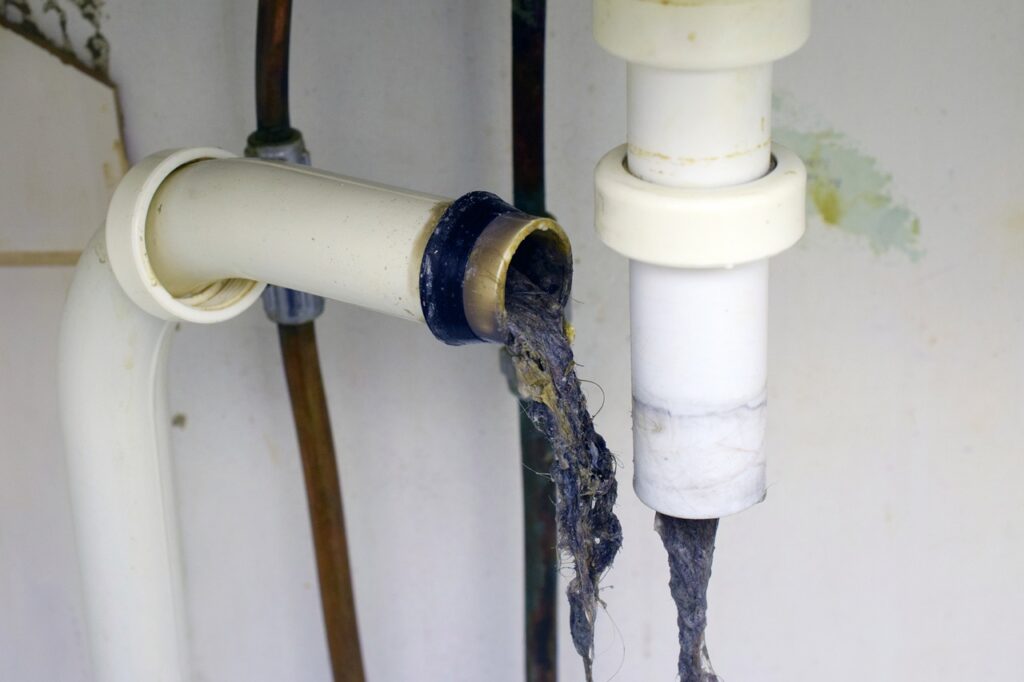
Homes across Orlando run into this problem faster than expected because humidity, warm water use, and older cast-iron drains create the perfect environment for buildup. Once the layer forms, it traps hair, lint, body oils, and small debris that would normally pass through. This slow collection eventually narrows the drain, creates pockets that catch even more debris, and turns a simple shower into a tub that fills with standing water.
That sticky layer doesn’t go away with a bottle of store cleaner. Homeowners pour products, snake the line, or run hot water through the drain, but the film stays put because it sticks to rough pipe walls. Many tubs continue to back up until the underlying buildup is removed and the internal surface is restored. Understanding how this glue-like layer forms provides a better understanding of why tub backups occur and why the right repair resolves the issue permanently.
How Shampoo and Conditioner Ingredients Behave Inside Your Drain Line
Hair products are designed to coat, soften, and moisturize. Those same qualities cause trouble once they leave your tub. The inside of older drain lines has texture. Cast iron grows scale over time, and PVC picks up residue that sticks to it. Once the warm water from your shower hits the lower part of the pipe, the temperature drops. Shampoo oils start to thicken, and conditioner wax begins to harden.
These ingredients cling to the rough walls. They cool, settle, and form a thin film that grows with each shower. What starts as a barely noticeable coating becomes a sticky layer that hangs onto everything passing by. Hair gets trapped first. Then lint from towels and clothes collects. Then soap scum sticks to the mix. This blend turns thick and heavy, and the drain slows down with no warning.
Families who wash long or curly hair see this happen faster. Homes that use hot showers, scented conditioners, leave-in treatments, or deep conditioners also deal with thicker buildup. Over time, the layer grows toward the center of the line until the drain opening tightens and backups become routine.
Why Tubs in Orlando Homes Face Faster Buildup Than Expected
Orlando’s climate speeds this process up. Humidity makes bathroom moisture linger longer, even after the shower stops. That moisture sticks to the pipe walls and keeps product residue from drying fully. Instead of flaking away, it stays sticky. Warm indoor temperatures keep conditioners soft enough to catch debris but firm enough to stay in place.
Many Orlando homes also have older cast iron drains. The inside surface grows rough as it ages. Tiny pits and grooves hold onto product film like Velcro. Even a small amount of conditioner wax settles deeper into these pits and stays put. Newer PVC lines develop buildup too, but they don’t trap residue as aggressively as cast iron.
Another problem shows up in homes where multiple bathrooms drain into the same line. A tub backup in one bathroom often comes from buildup that started in a different section of the house. Families may think the problem is inside the trap under the tub, but the real blockage is often several feet away inside a shared horizontal run.
Early Warning Signs That Conditioner Wax Has Started to Coat the Line
This type of drain issue rarely appears all at once. The drain gives signals long before a full backup happens. Orlando homeowners often miss these early signs because the water still drains, just not as quickly. Once you know what to watch for, you can stop the buildup before it becomes a full blockage.
Common signals include:
• Water stands around your feet longer than it used to
• The tub starts gurgling at the end of a shower
• The drain pulls air in with a loud slurp
• The water line on the tub wall grows higher each week
• Drain odors appear when the tub is empty
• Hair clogs come back within days even after cleaning
These signals start because the sticky layer inside the pipe narrows the flow path. Air and water fight for space, and small debris gets caught instantly. Some homeowners pull out a handful of hair from the stopper and think they solved it, only to see the tub back up again the next day. That happens because the true blockage sits deeper inside the line and sticks to the pipe wall.
Why DIY Snaking Doesn’t Remove This Type of Buildup
Snaking only helps when a clog sits loosely inside the line. Shampoo and conditioner residue hug the wall tightly. Snaking cuts a tunnel through the buildup but leaves the sticky layer in place. That tunnel closes again quickly as more hair collects. This is why tubs back up again within days after a basic snake.
Chemical drain cleaners don’t solve it either. Most products react with hair, not oils or wax. They thin the top layer of residue but leave the foundation behind. Some even thicken when they react with conditioner wax, making the situation worse.
The only method that works long-term involves cleaning the walls and restoring the surface so the residue has nothing to grab onto. Orlando homeowners who deal with repeated tub backups often discover that the line needs a deeper solution that handles both the buildup and the pipe texture underneath.
How Professional Tools Remove the Glue-Like Layer for Good
A proper solution starts with a camera inspection. A technician sends a small camera into the line to see the condition of the pipe walls. They look for buildup thickness, texture changes, and trouble spots where the line narrows. Once the problem is mapped out, cleaning begins.
Hydro jetting removes loose debris and cuts through the softer layers of residue. Then a mechanical cleaning tool smooths the pipe walls by removing rust flakes, hardened deposits, and old buildup. Once the interior wall is restored, the drain can hold a smooth surface again.
If the cast iron has heavy scale or deep pits, pipe refinishing or lining solves the long-term issue. A refinished surface gives water and debris a smooth path so product residue can no longer grip the walls. Homeowners notice the difference immediately. The tub drains faster, air flow improves, and the chances of another backup go down dramatically.
Why Regular Maintenance Stops the Layer From Returning
Hair products will always leave residue. Regular maintenance keeps the film from collecting and hardening. A simple schedule makes a big difference:
• A camera inspection each year for older homes
• A professional cleaning when slow drains return
• Early treatment when water starts pooling
Homes in Orlando benefit from maintenance because of humidity, older plumbing, and higher shower usage. Once the drain walls are cleaned and refinished, water flow improves and residue takes longer to stick. This keeps the tub drain strong, clear, and reliable.
Frequently Asked Questions
Why do conditioner wax and shampoo oils stick so tightly to drain walls?
Warm water carries them into the line, but the cooler pipe surface solidifies them. They cling to rough spots and build up quickly.
Why do tub backups return so fast after snaking?
Snaking cuts a path through the clog but never removes the sticky layer on the pipe walls. That layer traps debris again right away.
Can hot water alone clear product buildup?
Hot water softens residue but doesn’t wash it away. Once it cools, the layer stays glued to the pipe.
Do newer PVC drains still collect shampoo residue?
Yes. PVC stays smoother than cast iron, but residue still sticks and builds up with enough time and use.
How does a camera inspection help with tub backups?
It shows the exact location and thickness of the buildup so the technician can target the cleaning process correctly.
Clear your tub drain the right way. Call We Fix Drains at 407-426-9955 for expert service in Orlando, FL and get a clean, smooth line that stays open.