


How to Extend the Life of Your Sewer Line Without Replacing It
Most homeowners do not think about their sewer line until something goes wrong. Water backs up, drains slow down, odors rise, or the yard starts showing signs that something below the surface is not working the way it should. By that point, many people assume full replacement is the only answer. That is not always true.
A sewer line can often last much longer when the right problems get addressed early and the inside of the pipe gets the attention it needs. In Orlando and the surrounding areas, that matters even more because age, moisture, shifting soil, and older plumbing materials can put extra stress on drain and sewer systems. A line that looks worn does not always need to be dug up and replaced right away. In many cases, homeowners can improve performance, reduce damage, and add years of useful life without major construction.
Extending the life of a sewer line comes down to two things. First, you need to understand what shortens that life in the first place. Second, you need to take steps that improve the pipe’s condition before the damage becomes severe. That means paying attention to warning signs, keeping waste from building up, restoring the inside of the line when needed, and fixing the conditions that keep creating repeat trouble. A sewer line does not fail all at once. It usually declines in stages. That gives homeowners a chance to act before replacement becomes the only option.
Why Sewer Lines Wear Out Over Time
Every sewer line deals with constant exposure to moisture, waste, and changing ground conditions. The line may sit underground for decades while carrying everything that leaves the house. During that time, the inside of the pipe can begin collecting grease, soap residue, mineral scale, and waste buildup. In older cast iron systems, the pipe wall can also corrode and grow rough. Once the surface becomes uneven, more debris catches and stays behind.
The outside of the line also faces pressure. Soil expands and contracts with changes in moisture. Heavy rain, root growth, and settling ground can all affect alignment and support. Older joints may loosen. Small cracks may form. A slight dip can begin holding waste. None of this has to create a full emergency right away. It simply starts reducing the line’s ability to move waste cleanly.
This is why many sewer lines seem to “suddenly” fail after years of quiet use. The damage was building long before the first major backup ever happened.
Catching Early Warning Signs Before The Line Gets Worse
One of the best ways to extend sewer line life is to respond early when the system starts changing. Homeowners often ignore signs because the house still functions well enough to get by. A slow tub, a gurgling toilet, a drain smell that comes and goes, or a clog that returns every few months may not feel urgent. Still, those are the exact signs that often point to a line beginning to wear down.
Repeated backups matter because they often show that the pipe wall has become rough or narrowed. Odors matter because they can point to trapped waste, biofilm, or early pipe damage. Gurgling matters because air is no longer moving through the line the way it should. Water that drains slowly across more than one fixture often signals a deeper restriction, not just a local clog.
The sooner these signs get evaluated, the more options homeowners usually have. Once a line fully collapses or separates badly, the path gets much narrower. Early action helps preserve the line while it still has enough structure to respond well to restoration.
Why Recurring Cleaning Can Help, But Only Up To A Point
Drain and sewer cleaning play an important role in pipe life. A line that keeps collecting grease, sludge, hair, roots, or residue will wear out faster because waste keeps sticking to the same rough areas and putting more stress on the system. Proper cleaning removes active buildup and helps restore flow. This reduces pressure, prevents repeat blockages from packing tighter into the line, and allows the system to carry waste more normally again.
That said, cleaning alone is not always enough. It can remove what is in the pipe today, but it does not repair what the inside of the pipe has already become. A sewer line with corrosion, scaling, pitting, weak joints, or worn surfaces may improve after cleaning, then slide back into the same pattern because the conditions that trap debris are still there.
That is why cleaning works best as part of a bigger plan. It is a valuable first step, but not always the last one.
How Camera Inspections Help Protect The Line Before Replacement Becomes Necessary
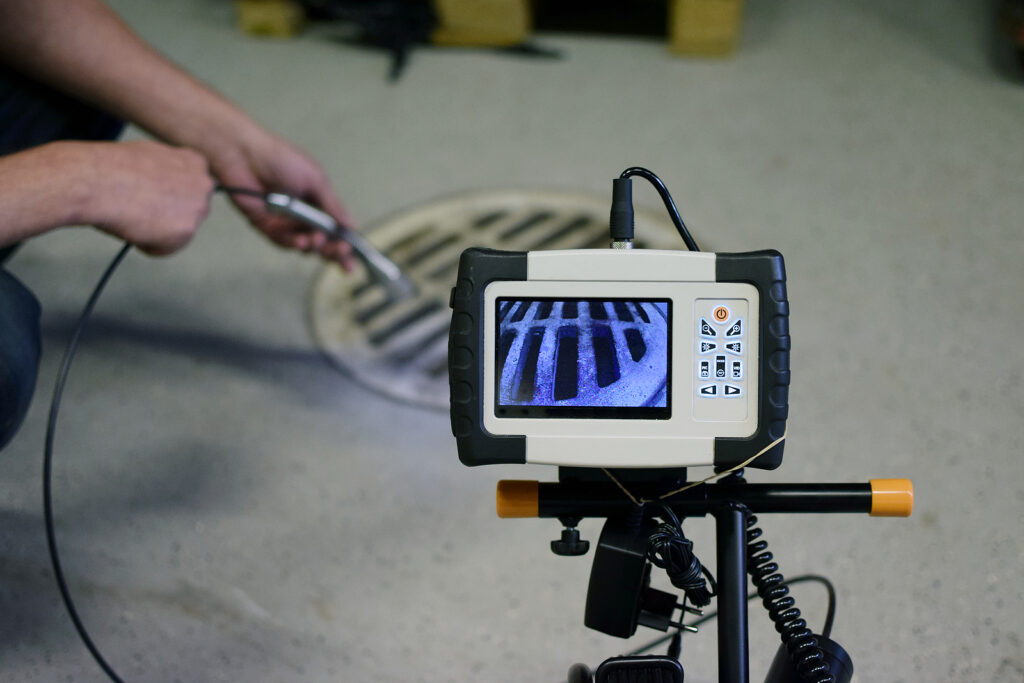
A sewer line camera inspection gives homeowners something that guesswork never can: a clear picture of the pipe’s current condition. This matters because one line may only need cleaning and monitoring, while another may already show corrosion, low spots, root entry, or surface damage that needs a more structural solution.
Without inspection, many homeowners end up repeating short-term fixes because they never see what the inside of the line actually looks like. A camera can reveal scaling in cast iron, rough branch walls, root intrusion at joints, standing water in a low section, black sludge buildup, or interior cracking that cleaning alone cannot solve.
This type of inspection helps extend line life because it allows the next decision to be accurate. Instead of waiting for a major failure, homeowners can work from evidence and choose the least invasive option that still protects the system.
Why Pipe Restoration Can Add Years To A Sewer Line
One of the most effective ways to extend the life of a sewer line without replacing it is to restore the interior. Pipe restoration focuses on improving the inside of the existing line so it can keep functioning reliably without major excavation. This is especially useful when the pipe still has enough overall shape and structure to support repair, but the interior condition has declined from corrosion, roughness, buildup, or minor cracking.
A restored interior gives water and waste a smoother path. It reduces the places where debris catches and begins building again. It can also help seal weak areas and isolate older pipe material from continued moisture exposure. For cast iron lines, this can make a major difference because the original metal may still have value as a shell, even though the inside has become rough and unstable.
Restoration helps the line act younger than it is. It does not erase the age of the system, but it improves performance and slows the cycle of repeat buildup and decay that otherwise pushes the pipe toward replacement.
How Drain Refinishing Helps Preserve Function In Worn Lines
Drain refinishing helps in cases where the inside wall has broken down enough to affect daily performance but the line still has enough structural integrity to remain in service. This process depends on proper cleaning and preparation first. Once the line is ready, refinishing improves the interior surface so it becomes smoother and less likely to trap waste.
For homeowners dealing with repeat backups, odors, sludge, or slow flow that keeps coming back in the same line, refinishing can be an important step in adding life to the system. It changes the way the pipe behaves under daily use. Waste moves more easily. Moisture does not sit in rough pockets as long. Residue has fewer places to stick.
This does not just help for the next few weeks. It can improve how the line performs for years by changing the pipe’s relationship with daily flow.
Why Root Control Matters For Sewer Line Longevity
Roots do not have to completely block a line to shorten its life. Even a small root entry at a joint can trap waste, create repeated cleaning needs, and place stress on the same section of pipe over and over. As roots thicken, they can widen weak joints and create bigger pathways for damage to continue.
This is why recurring root problems deserve more than simple removal. Cutting roots may restore flow for a while, but if the line still has open joints or weak entry points, the same problem comes back. Extending sewer line life means not just clearing roots, but reducing the reason they keep entering.
For many lines, this means inspection followed by structural repair or restoration that seals the weak areas instead of just reopening the center of the line again and again.
Why Homeowners Should Avoid Habits That Shorten Sewer Line Life
Daily habits affect sewer line wear more than many people realize. Flushing wipes, even those labeled as flushable, can increase the chance of blockages and stress weak sections. Grease sent down sinks can harden in cooler parts of the system and narrow the path over time. Heavy food waste, fibrous material, and repeated chemical use can all make conditions worse in a line that is already aging.
Older sewer systems benefit from gentler, smarter use. That means reducing what goes into the line, keeping strainers where needed, and avoiding products that seem helpful but may damage old pipe walls or leave buildup behind. The goal is not perfection. It is reducing the extra burden on a line that may already be doing its best with age and wear.
How Slope And Support Issues Affect Long-Term Pipe Life
A sewer line does not need a full collapse to lose life. A low spot, partial sag, or slight misalignment can create a place where water and waste stop moving cleanly. Once a section starts holding material, the line becomes harder to keep clear. Debris settles. Odors build. Pressure patterns change. Corrosion often worsens in that section because the moisture contact lasts longer.
These shape and support problems matter because they create repeated trouble in the same location. Homeowners may think the line keeps clogging randomly, but the real issue is that the pipe no longer supports clean gravity flow. A camera inspection often reveals these conditions long before replacement becomes the only answer.
In some cases, trenchless repair or restoration can help stabilize these issues enough to extend the useful life of the line and reduce recurring blockage patterns.
Why Orlando Area Homes Benefit From Acting Sooner, Not Later
Orlando and nearby communities include many homes with aging plumbing systems, older cast iron lines, and environmental conditions that can speed up sewer wear. Heat, humidity, heavy rain, and shifting soils all place pressure on underground pipes. That makes early action especially valuable. A line that might continue performing with restoration today may require a much bigger repair if left alone too long.
Homeowners who act while the line still has repair value often get the best outcome. They avoid repeated emergencies, reduce the risk of slab or yard damage, and keep the line working without waiting for a disaster to force the next step.
Extending sewer line life is not about guessing or hoping. It is about understanding the line’s condition and choosing the right support before the system crosses into failure.
FAQs
Can a sewer line really last longer without being replaced?
Yes. Many sewer lines can last much longer when cleaning, inspection, restoration, or refinishing address the wear before collapse happens.
What signs show that my sewer line may need help before replacement?
Recurring clogs, odors, slow drains across multiple fixtures, gurgling, and repeat root problems often point to a line that needs evaluation.
Does cleaning alone extend the life of a sewer line?
Cleaning helps by removing buildup, but it does not repair rough, corroded, or damaged pipe walls that keep creating repeat issues.
How does pipe restoration help extend sewer line life?
It improves the interior condition of the line, supports smoother flow, reduces buildup points, and can help protect aging material from further decline.
Why is early action so important in older Orlando area homes?
Older lines in this area often face added stress from age, humidity, corrosion, and soil movement, so acting early can prevent bigger failures later.
Want to extend the life of your sewer line without digging it up? Call We Fix Drains at 407-426-9955 for expert inspection and restoration in Orlando and nearby areas.