


Inside the Cast Iron Pipe Restoration Process: Step-by-Step to a Stronger Plumbing System
Homes built before the late 1970s in Orlando and surrounding areas often rely on cast iron drain pipes that have reached or exceeded their expected lifespan. Over time, these pipes rust, scale, and crack due to constant moisture and mineral buildup. Instead of tearing up floors and yards for full replacement, cast iron pipe restoration offers a modern, non-invasive solution. It restores the strength and function of your plumbing system from the inside out.
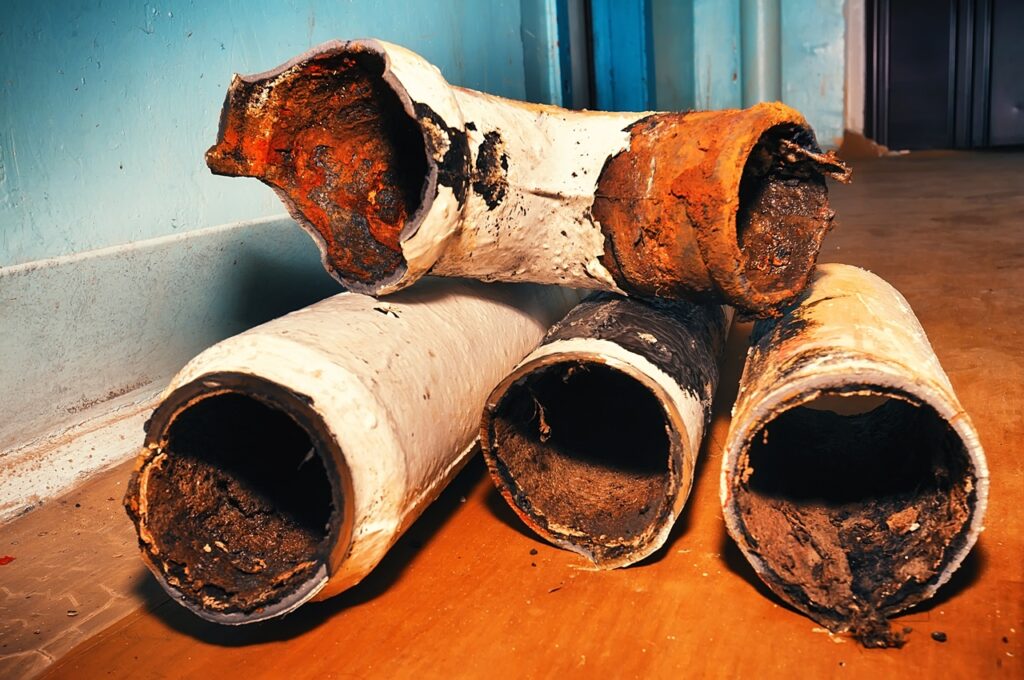
At We Fix Drains, we use advanced restoration methods to clean, resurface, and seal deteriorating cast iron pipes without digging. The process builds a new, durable lining inside the existing structure, eliminating leaks, corrosion, and frequent backups. Here’s a detailed look at how cast iron pipe restoration works and why it’s the smarter choice for homeowners across Central Florida.
Inspection: Seeing Inside the Pipes Before Work Begins
The first step in any successful restoration project is understanding what’s happening inside the pipe. Our technicians start with a high-definition camera inspection that travels through your drain or sewer lines. This inspection captures live video showing rust buildup, cracks, offsets, or even root intrusions.
Each section is measured precisely so we know the exact length and diameter of the line. This step also helps us identify whether restoration is suitable or if replacement is needed for severely damaged sections. For most homes in Orlando, restoration is a great option because the pipe walls are structurally intact but coated with rust and scale.
After this inspection, homeowners receive a copy of the footage. That transparency lets you see the same damage we do and understand the plan for your restoration, no guesswork, no hidden surprises.
Cleaning and Descaling: Preparing the Surface for Renewal
Once we’ve mapped out the condition of the pipe, the next step is deep cleaning. Cast iron pipes often contain years of accumulated rust, soap film, grease, and mineral deposits that restrict water flow. To prepare the interior for restoration, our technicians use high-pressure hydro jetting to flush out debris and buildup.
After the line is clean, we use mechanical descaling tools to smooth the inner pipe walls. This process grinds away rough surfaces and removes loose corrosion, leaving a clean and solid base for the liner or coating to bond properly. Descaling is essential because it ensures the new liner forms a watertight seal and adheres securely to the host pipe.
This step transforms an old, rough pipe interior into a smooth channel that’s ready for repair, restoring full flow and eliminating the friction that causes recurring clogs.
Access Setup: Reaching the Problem Without Digging
Traditional pipe replacement requires digging through floors, foundations, or landscaping. In contrast, restoration uses small access points that already exist, like cleanouts or roof vents. If additional access is needed, our team creates a small, precise opening, just large enough for the tools and liner to pass through.
This approach saves homeowners from unnecessary demolition. It also reduces repair time since we don’t need to excavate or rebuild flooring afterward. By working through existing connections, we can reach the affected section of pipe without disturbing your home or yard.
This no-dig method is particularly valuable for Orlando properties built on slabs, where plumbing runs under concrete. Instead of jackhammering floors, restoration happens entirely within the pipe’s existing structure.
Liner Installation: Building a New Pipe Inside the Old One
After cleaning and access preparation, it’s time for the most critical step: lining the pipe. We use a cured-in-place pipe (CIPP) method that installs a seamless epoxy liner inside the old cast iron.
Here’s how it works:
- A resin-saturated liner is pulled or inverted into the pipe using air or water pressure.
- The liner expands to fit tightly against the existing walls, sealing cracks and filling gaps.
- Once positioned correctly, the liner cures and hardens, forming a smooth, durable surface that functions as a new pipe within the old one.
The new liner resists corrosion, root intrusion, and leaks while improving water flow. It essentially rebuilds your plumbing from the inside, restoring full functionality without replacing the entire system.
This process typically takes less than a day, depending on the length and complexity of the repair.
Reinstating Branch Lines and Testing the Repair
After the main line cures, the next step involves reopening any branch connections (like lines leading from sinks, tubs, or toilets). Our technicians use precision cutting tools guided by a camera to reopen these tie-ins cleanly.
Then, we run another camera inspection to verify that the liner is perfectly centered and that all branches flow freely. This inspection ensures that every connection is smooth, leak-free, and fully functional.
Finally, we perform a flow test using multiple fixtures at once to confirm that wastewater moves quickly and efficiently through the restored system. The goal is not just a working drain but one that performs better than before the damage occurred.
Post-Repair Documentation and Long-Term Value
Once the restoration is complete, we provide a full video recording of the finished work, along with a simple sketch showing the repaired sections. This documentation is valuable for your personal records, insurance claims, or when selling your property.
Restored pipes can last 50 years or more with proper maintenance. The epoxy lining prevents new rust and mineral buildup, so water flows freely without friction or obstruction. For older Orlando homes with cast iron plumbing, restoration adds decades of life to the system while protecting the foundation from leaks and erosion.
By keeping your records and inspection videos, you can also schedule preventive maintenance more effectively, ensuring your plumbing stays in excellent shape.
Why Restoration Outperforms Replacement in Many Homes
Many homeowners assume that full replacement is the only way to fix old pipes. But restoration offers several clear advantages, especially in Central Florida’s climate and soil conditions.
- No excavation: No need to dig up floors, driveways, or yards.
- Faster turnaround: Most projects finish in one day or less.
- Less disruption: No noise, dust, or damage to landscaping.
- Cost-efficient: Fewer labor hours and no reconstruction afterward.
- Eco-friendly: No old pipe removal means less waste.
Restoration is also ideal for properties with mature landscaping or finished interiors, where excavation would be both expensive and damaging. With the right technology and expertise, your plumbing system can be rebuilt from within, giving you long-lasting results without the chaos of replacement.
Common Problems We Solve in Orlando Homes
Orlando’s warm weather, humidity, and sandy soil can make plumbing systems deteriorate faster. Here are common problems that lead homeowners to choose cast iron pipe restoration:
- Frequent drain backups or slow drainage
- Rust-colored water or foul drain odors
- Gurgling sounds in sinks or tubs
- Cracks or leaks under the foundation
- Water pooling near cleanouts or driveways
- Corrosion from age and soil conditions
FAQs
1. How long does cast iron pipe restoration take?
Most restorations are completed within one day, depending on pipe length and accessibility. The process is faster than traditional replacement.
2. Does pipe restoration fix all types of pipe damage?
Restoration works well for pipes that are structurally sound but have corrosion, scaling, or cracks. Severe collapses may need partial replacement first.
3. How long does the new liner last?
A properly installed epoxy liner can last up to 50 years or more, providing durable protection against leaks and corrosion.
4. Is cast iron pipe restoration safe for residential homes?
Yes, the process is completely safe and non-invasive. It uses eco-friendly epoxy materials that meet plumbing safety standards.
5. How do I know if my home needs pipe restoration?
Signs include frequent clogs, slow drains, foul odors, or water stains around the foundation. A camera inspection will confirm the exact condition.
Give your plumbing new life with expert cast iron restoration. Call We Fix Drains today at 407-426-9955 for service in Orlando, FL.