


Persistent Low Spots in Sewer Lines and How Trenchless Solutions Correct Them
Sewer lines rely on gravity. Water and waste move through the pipe because the line slopes slightly downward from the house to the city connection or septic system. That slope may look small on paper, but it makes all the difference. When the slope changes or dips, problems begin.
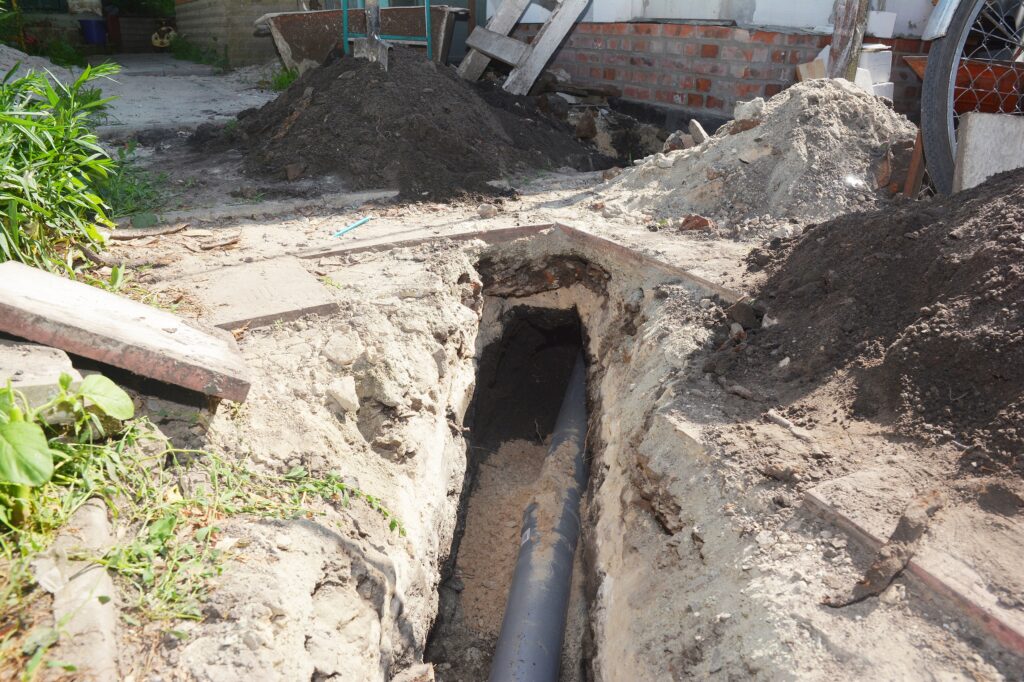
A low spot in a sewer line, sometimes called a belly or sag, forms when a section of pipe sinks below the intended grade. Instead of flowing smoothly, water collects in that dip. Solids settle there. Debris builds up. What starts as a minor shift in alignment can turn into recurring clogs and backups.
Many homeowners in Orlando and the surrounding areas deal with slow drains that return again and again. Drain cleaning clears the line for a short time, but the issue comes back. In many cases, the real cause sits underground: a persistent low spot that disrupts proper flow.
Understanding why low spots form and how trenchless solutions correct them helps homeowners make informed decisions before small issues grow into major ones.
What Causes Low Spots in Sewer Lines
Sewer pipes do not float in place. Soil supports them. Over time, that soil can shift, compact, or wash away. Heavy rain, tree roots, construction activity, and natural settling all affect underground conditions.
Homes built decades ago may have sewer lines that rest on soil that has changed significantly. In Florida, moisture plays a major role. Soil expands when wet and contracts during dry periods. Repeated cycles create movement beneath the pipe.
Once the soil loses uniform support, a section of pipe may sag. That sag creates a low spot where water collects instead of flowing past. Improper installation can also cause trouble. If the original pipe did not maintain consistent slope, gravity cannot do its job efficiently.
Why Low Spots Create Ongoing Drain Problems
Water should travel through a sewer line in a steady motion. It carries solids along with it. In a properly sloped pipe, waste does not sit still. A low spot changes that pattern. Water pools in the dip. Solids settle into the standing water. Each time the household sends more water down the drain, new debris enters the same area.
This repeated settling leads to buildup. The buildup narrows the pipe opening. Flow slows. Backups become more likely during heavy water use.
Homeowners often notice problems after running multiple fixtures. A shower drains slowly while a washing machine empties. A toilet bubbles after flushing. These symptoms point to a section of pipe that holds water instead of clearing it.
Why Cleaning Alone Does Not Fix a Low Spot
Drain cleaning removes debris. It does not change the slope of the pipe. If a dip remains, water continues to collect. High pressure water jetting clears buildup temporarily. Snaking can open a path through the blockage. Once water settles again in the sagging section, solids return.
Repeated cleaning without addressing the structural issue wastes time and money. The line may function for a few weeks or months, then clog again. The pipe needs structural correction, not just surface cleaning.
How Camera Inspections Reveal the True Problem
A sewer camera inspection shows exactly where a low spot sits. The camera travels through the pipe and displays water levels and alignment in real time. In a healthy pipe, the camera lens stays mostly dry except during active flow. In a pipe with a belly, the camera dips into standing water and remains submerged for a distance.
This visual confirmation helps determine severity. A shallow dip may cause minor slowing. A deeper sag can trap large amounts of waste. Accurate diagnosis guides the next step.
How Trenchless Solutions Address Persistent Low Spots
Trenchless methods correct many slope related problems without digging up the entire yard. Instead of removing long sections of pipe, technicians reinforce or reshape the interior.
Pipe lining creates a new structural layer inside the existing pipe. In some cases, lining restores rigidity and prevents further sagging. It also smooths the interior surface so waste flows more easily through minor dips.
For moderate low spots, structural liners can stabilize the pipe enough to reduce water pooling and prevent buildup from sticking. In more advanced cases, spot repair techniques target the affected section. Technicians strengthen that segment to restore better alignment and reduce depth of the sag.
These solutions minimize disruption to landscaping and driveways while correcting the core issue.
Why Structural Support Matters
A sewer line depends on consistent support along its length. If soil washes away or compresses unevenly, the pipe loses its stable base.
Trenchless repair reinforces weakened sections from within. By adding structural integrity, the pipe becomes less vulnerable to further bending. Stability reduces the risk of the low spot worsening over time.
What Happens if Low Spots Go Unrepaired
Persistent pooling places constant stress on the pipe wall. Standing water adds weight. Solids remain in contact with the pipe longer, increasing corrosion in cast iron systems.
Over time, that section may thin or crack. Soil can enter through small gaps. Roots may follow moisture and grow into the weakened area. A minor sag can develop into a partial collapse if left unchecked. Addressing the issue early prevents larger structural damage and emergency excavation.
Signs That Suggest a Sewer Line Belly
Homeowners may notice:
- Frequent clogs in multiple fixtures
- Slow drainage during heavy use
- Gurgling sounds after flushing
- Recurring backups after cleaning
- Sewer odors near drains
These symptoms do not confirm a low spot alone, but they often point to a deeper structural issue.
Why Orlando Soil Conditions Contribute to Sewer Line Sags
Orlando and surrounding areas experience heavy rainfall and fluctuating moisture levels. Sandy soil drains quickly but can shift easily. Clay based soils expand and contract with moisture.
These natural conditions place stress on underground utilities. Even well installed pipes may experience gradual movement over decades. Awareness of local soil behavior helps explain why low spots develop more often in certain areas.
When Replacement May Be Necessary
Trenchless repair corrects many moderate low spots. Severe sags where pipe sections collapse or lose shape completely may require targeted excavation. A professional evaluation determines the most appropriate solution. The goal remains the same: restore proper flow and prevent future backups.
Long Term Benefits of Correcting Sewer Line Low Spots
Correcting a low spot improves flow consistency. It reduces the likelihood of repeated clogs. It protects pipe walls from prolonged contact with standing waste. Homeowners gain peace of mind knowing their sewer system functions as designed. Addressing structural issues rather than masking symptoms leads to more reliable performance.
FAQs About Sewer Line Low Spots
What is a sewer line belly?
A belly is a sagging section of pipe where water collects instead of flowing smoothly.
Can a sewer belly fix itself?
No, soil movement rarely reverses on its own.
Does every low spot require digging?
Many moderate sags can be corrected with trenchless methods.
Why do backups happen after heavy water use?
Pooling in a low spot reduces capacity and causes overflow during peak flow.
How do I know if my sewer line has a sag?
A camera inspection provides clear confirmation.
Stop recurring backups caused by sewer line sags. Call We Fix Drains at 407-426-9955 for trenchless solutions in Orlando and surrounding areas.