


What Happens Inside Cast Iron Pipes After Decades of Moisture Exposure
Cast iron pipes served homes for generations. Builders trusted them for strength and long life. Many homes in Orlando and the surrounding areas still rely on original cast iron drain systems that date back forty, fifty, even sixty years. From the outside, everything may look fine. Drains may still carry water away. Toilets may still flush. What homeowners rarely see is what moisture does to cast iron over decades.
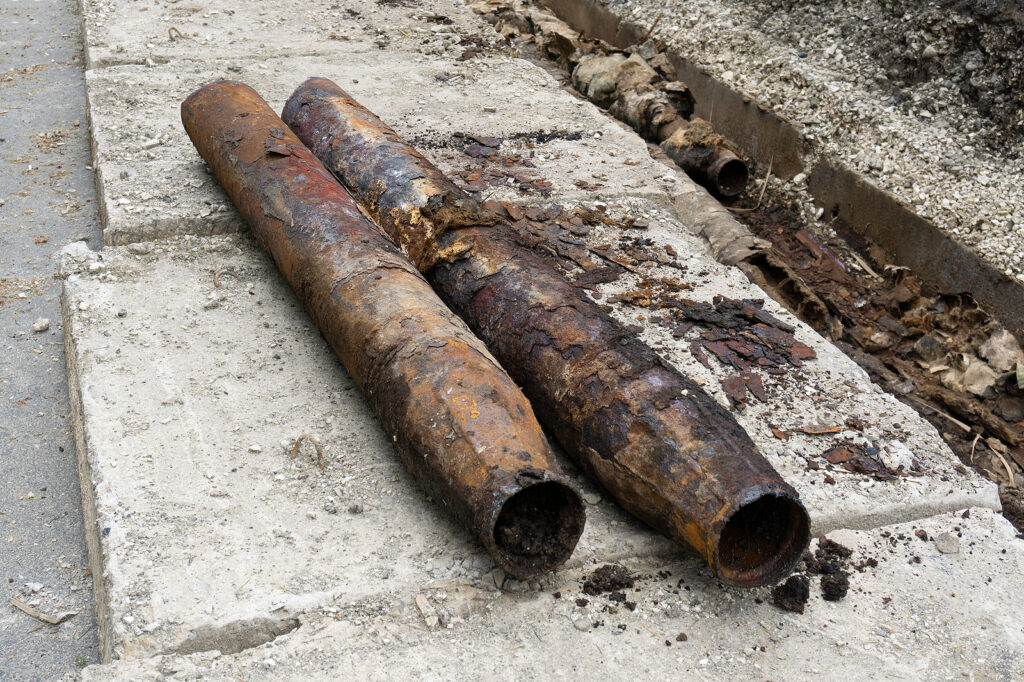
Water never stops moving through a drain system. Every shower, sink, dishwasher, and toilet sends moisture through those pipes. Humidity from Florida soil surrounds underground sections. Condensation forms on the inside and outside walls. Over time, that constant exposure changes the interior of cast iron in ways that most homeowners never imagine.
Understanding what happens inside those pipes helps explain why slow drains, odors, and backups develop years before a complete failure.
Cast Iron Does Not Rust Overnight
Cast iron begins as a strong and dense material. It handles pressure well and resists impact. Strength alone does not protect it from corrosion. Moisture reacts with iron through oxidation. Oxygen and water combine with the metal and form rust.
This reaction does not happen in a single season. It builds slowly. A thin layer of oxidation forms on the interior wall. At first, the change looks minor. The pipe still functions. Water still flows.
Over time, that thin layer thickens and becomes rough. Rough surfaces trap debris. Debris holds more moisture. The cycle accelerates. Decades of moisture exposure turn smooth pipe walls into uneven, flaky surfaces.
Interior Scaling Changes the Shape of the Pipe
Rust does not remain flat against the wall. It expands and forms scale. Scale grows inward. The pipe diameter shrinks little by little. Homeowners rarely notice early changes. A quarter inch reduction does not stop water immediately. Years later, that loss of space becomes significant. Flow slows. Waste catches on rough spots. Hair and soap cling to uneven surfaces.
The pipe no longer has a smooth circular interior. It develops ridges, pockets, and thin sections. That structural change increases resistance and reduces capacity.
Moisture Weakens the Bottom First
Gravity keeps waste and water in contact with the bottom of the pipe longer than the top. Moisture exposure remains constant along that lower section. As corrosion continues, the bottom wall thins faster. Flaking rust falls away and leaves shallow pits. Pits deepen with time. Some sections begin to resemble a sponge rather than solid metal.
Camera inspections often reveal channeling along the bottom of aging cast iron lines. That channel forms where corrosion removes material unevenly. Waste follows that path and erodes it further. The pipe may still appear intact from above, yet the bottom loses strength year after year.
Condensation Inside the Pipe Adds to the Problem
Many people think only flowing water affects drain lines. Condensation also plays a role. Warm air from inside the home meets cooler pipe surfaces underground. Moisture forms along the interior walls.
This thin film of moisture keeps oxygen in contact with iron continuously. Even during periods without heavy water use, corrosion continues.
High humidity levels common in Central Florida add to this effect. Soil moisture and groundwater create additional exposure from the outside in underground sections. The pipe experiences moisture from both sides.
Joints Become Weak Points Over Time
Cast iron systems rely on joints that connect sections together. Over decades, moisture and slight movement weaken those joints. Rust builds at connection points. Small gaps form. Once gaps appear, soil and roots find access. Water escapes into surrounding soil and washes away support.
Joint failure often leads to small misalignments. Those misalignments disrupt smooth flow. Waste begins to catch at edges. Blockages become more frequent. The interior may look intact in one section while joints struggle nearby.
Rust Flakes Break Loose and Travel Downstream
As corrosion advances, pieces of rust detach. These flakes move with flowing water. Some pass through the system. Others lodge in narrower sections. A homeowner may experience random clogs that clear temporarily. Those clogs often come from loose rust fragments combining with debris.
Black or dark residue inside sinks sometimes traces back to deteriorating cast iron upstream. That residue signals interior breakdown rather than surface dirt.
Pipe Walls Lose Thickness Gradually
Corrosion removes metal. It does not simply coat it. As rust flakes away, it exposes fresh iron underneath. The process repeats. Wall thickness decreases slowly. A pipe that started at one thickness may lose a measurable amount over decades. Thin areas bend more easily under soil pressure. Heavy rain and ground movement increase stress.
Structural strength depends on consistent wall thickness. Once thinning becomes uneven, certain sections carry more load than others. The risk of cracking rises as those weak spots develop.
Flow Resistance Increases Without a Full Blockage
Many homeowners wait for a full backup before investigating. Long before a complete blockage forms, flow slows due to interior roughness. Soap film, grease, hair, and organic matter cling to corroded walls more easily than smooth surfaces. Water speed drops. Drains empty more slowly.
A homeowner may notice gurgling sounds or standing water after heavy use. These symptoms often trace back to decades of internal corrosion rather than a single obstruction.
Underground Sections Face Extra Pressure
Cast iron pipes that run under slabs or driveways endure constant soil pressure. As interior corrosion weakens walls, external forces have greater impact. Soil shifts after storms. Roots grow nearby. Weight from vehicles transfers through the ground.
A pipe that lost thickness cannot resist these forces as well as it once did. Small cracks develop. Cracks allow groundwater to enter. Infiltration increases load inside the pipe and further stresses the system. Moisture exposure sets the stage. External pressure accelerates failure.
Why Problems Appear Suddenly After Years of Stability
Many homeowners feel surprised when a system that worked for decades begins failing rapidly. Corrosion progresses slowly at first. As wall thickness decreases and scaling increases, problems reach a tipping point. Flow restriction compounds. Waste catches more often. Minor cracks widen. Joint gaps expand.
The system crosses a threshold where minor symptoms become recurring issues. Backups appear more frequently. Odors become noticeable. Drain cleaning provides temporary relief but does not address the underlying deterioration.
Early Signs That Interior Corrosion Has Advanced
Several signs suggest moisture exposure has significantly altered cast iron pipes:
- Slow drainage in multiple fixtures
- Recurring clogs without a clear cause
- Black residue in sinks
- Gurgling sounds after flushing
- Sewer odors near drains
- Water pooling around slab edges
These symptoms point to interior changes rather than isolated debris.
Why Restoration Often Makes More Sense Than Waiting
Cast iron rarely fails all at once. It deteriorates in stages. Addressing the interior condition before collapse prevents larger structural damage.
Modern pipe restoration methods create a new interior surface that isolates the old metal from moisture. That barrier stops active corrosion. It restores smooth flow. It reinforces weakened sections.
Ignoring corrosion allows thinning to continue until sections break apart or collapse. Homeowners in Orlando and surrounding areas often discover that early restoration protects their property from major excavation later.
FAQs About Cast Iron Pipes and Moisture Damage
How long do cast iron pipes last?
Many systems last 40 to 60 years, depending on moisture exposure and soil conditions.
Can moisture damage happen without visible leaks?
Yes, interior corrosion develops long before exterior leaks appear.
Does rust always mean the pipe will collapse?
Rust signals deterioration, but collapse depends on how much thickness remains.
Why do drains slow down even after cleaning?
Rough interior walls create resistance that cleaning alone cannot fix.
Can restoration stop further corrosion?
Yes, lining methods isolate the old metal from moisture and oxygen.
Concerned about aging cast iron pipes in Orlando or surrounding areas? Call We Fix Drains at 407-426-9955 for a detailed inspection and restoration plan.