


Why Drain Refinishing Depends on Surface Preparation More Than Homeowners Realize
Drain refinishing sounds simple from the outside. Many homeowners hear that a damaged drain can be coated or restored from the inside and assume the main step is the final lining itself. That part matters, but it is not the part that determines whether the result lasts. The real make-or-break stage comes earlier. Surface preparation decides whether the new interior bonds correctly, whether water flows properly after the work, and whether the restored pipe performs the way it should over time.
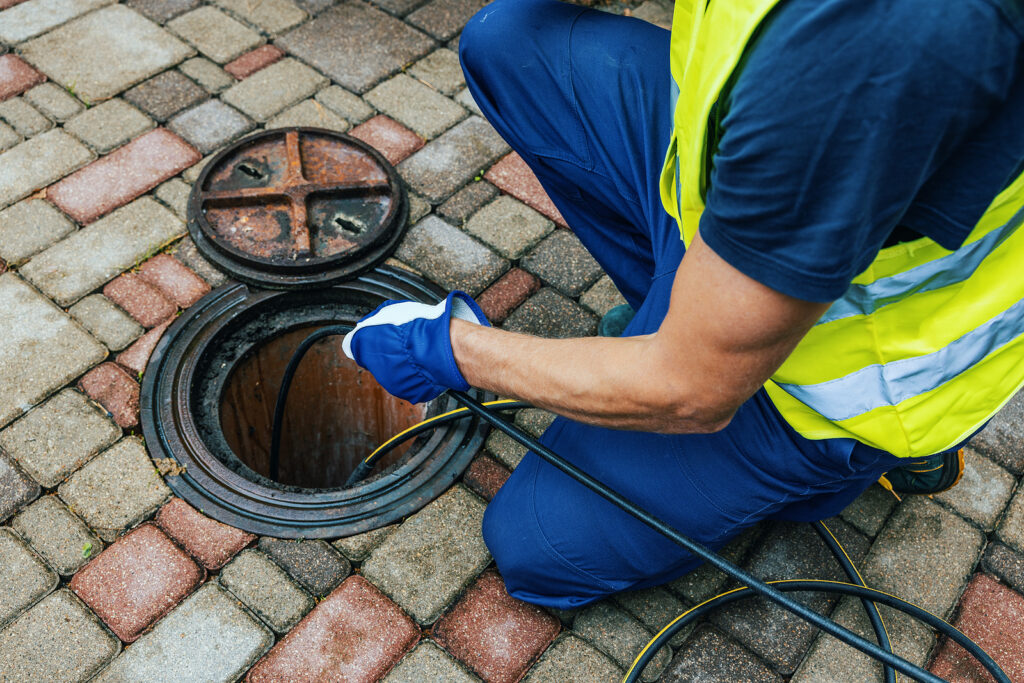
This surprises many homeowners in Orlando and the surrounding areas. They expect the success of drain refinishing to depend mostly on the product used inside the pipe. In reality, even high-quality refinishing material can fail to do its job if the pipe wall underneath still holds scale, grease, loose rust, soap residue, or hidden moisture. A refinished drain only performs as well as the surface beneath it allows.
That is why professional drain refinishing begins long before any coating or liner goes into place. The preparation stage removes what the pipe has collected over the years of use and restores a stable surface that can actually accept repair. Without that step, the inside of the line may still look worn, uneven, or contaminated in ways that reduce the value of the whole project. Homeowners who understand this process tend to make better decisions because they see that lasting results come from preparation, not shortcuts.
Why Drain Surfaces Change So Much Over Time
Drain lines do not stay clean just because water moves through them every day. In fact, daily use is what slowly changes the surface. Soap film, grease, mineral scale, hair, food residue, toothpaste, body oils, and corrosion all leave something behind. Some of that buildup stays soft. Some harden and bond to the pipe wall. Over time, the inside of the line stops being smooth and starts collecting more material with every use.
Older homes in Orlando often have cast iron drain systems, and those lines change even more dramatically with age. Interior rust flakes, pitting, and scaling give the pipe a rough texture that traps debris fast. Even newer drain materials can develop heavy residue buildup if they are exposed to years of grease, soap, or low-flow drainage. By the time a homeowner starts dealing with slow drains, odors, or repeated backups, the interior surface has usually changed a lot more than expected.
This is important because drain refinishing works on the inside of the pipe. The refinishing material needs a surface that is stable, clean, and ready to hold it. A wall coated in old waste, loose corrosion, or mineral buildup does not provide that.
What Surface Preparation Actually Means
Surface preparation is the process of getting the inside of the drain ready for restoration. That sounds basic, but it involves much more than “cleaning the pipe.” The goal is not just to remove what blocks water flow. The goal is to expose a consistent pipe surface that can support refinishing material properly.
That usually means removing grease layers, cutting through soap and sludge buildup, clearing loose corrosion, descaling rough cast iron, and dealing with any material that would stop the repair from bonding evenly. It also means checking whether the pipe wall still has enough sound structure to support refinishing at all.
This stage matters because a refinished drain should not just look better on a camera after the work. It should perform better every day. That only happens when the material inside the pipe bonds to a properly prepared surface instead of sitting on top of old contamination.
Why Poor Preparation Causes Weak Results
Drain refinishing can fail in quiet ways when the prep work falls short. The drain may seem better at first, but flow problems, odor issues, or drainage resistance can return because the underlying problem never got fully removed. In other cases, the refinishing material may not sit evenly or may fail to create the smooth, durable interior that homeowners expected.
A pipe wall covered in grease, old soap paste, or soft black sludge creates separation between the pipe and the restorative material. Loose rust does the same. Moisture trapped inside rough corrosion or scale also affects how well the surface accepts repair. Even a small amount of leftover buildup can interfere with the finished result because refinishing depends on consistency all along the interior wall.
This is why true preparation is so much more than a quick rinse or one pass with a basic machine. A drain may carry water and still be nowhere near ready for refinishing. The difference between a line that is merely open and a line that is properly prepared is huge.
Why Cast Iron Pipes Need More Preparation Than Most Homeowners Expect
Cast iron creates some of the biggest surprises in this process. Homeowners often assume that if the camera can still pass through the line, the pipe is ready for restoration. That is rarely true with aging cast iron. Decades of moisture exposure create uneven corrosion, scaling, and surface pitting that can make the inside of the pipe look and behave very differently from one section to the next.
One part of the line may have heavy flaking rust. Another may have a narrowed bottom channel from scale buildup. Another may carry black biofilm over old corrosion. These conditions do not just affect flow. They affect how the inside wall responds to restoration work.
Surface preparation in cast iron often requires a more deliberate process because the goal is not only to reopen the drain path. The goal is to remove unstable material and reveal a firmer, cleaner base. That helps the refinishing material create a more uniform interior and improves the chances of long-term performance.
Why Smoothness Matters After The Pipe Is Restored
Homeowners often focus on whether the drain is open. Professionals also focus on how smooth the restored surface becomes. Smoothness matters because daily flow depends on it. A rough line catches debris. A smoother line allows water and waste to move with less resistance.
Surface preparation plays a major role here. If the original wall still has lumps of scale, ridges of corrosion, or leftover buildup, the finished line cannot achieve the same flow quality as one prepared more thoroughly. The difference may not show up on day one, but it shows up over time. Hair catches faster. Soap starts sticking again. Grease or waste begins rebuilding in the same rough areas.
A well-prepared surface gives the refinishing process a chance to create a cleaner, more even path. That means better daily drain performance after the work is done.
Why Preparation Also Affects Odor Control
Many homeowners seek drain refinishing because of recurring slow drainage, but odors are often part of the problem, too. Drain odors usually come from material that stays behind inside the line. Grease, soap film, black sludge, biofilm, and trapped waste all create a place for bacteria to grow and release smells into the home.
Surface preparation removes much of that odor source before refinishing even begins. This matters because coating over contamination is not the same as removing it. If odor-producing residue stays beneath the restored surface, the homeowner may not get the full improvement expected after the project.
A cleaner, better-prepared pipe wall gives refinishing a stronger start and helps reduce the chance that the same odor pattern returns later.
What Professional Inspection Adds To The Process
Preparation starts with knowing what is really inside the drain. A camera inspection helps show how the pipe has aged, where buildup is concentrated, and whether the line has corrosion, low spots, separations, or interior damage that affects refinishing.
This part matters because not every drain needs the same level of preparation. A kitchen line full of grease behaves differently from a bathroom branch line with black sludge and soap film. A cast iron stack with scaling needs a different approach than a smoother branch line with residue buildup. The inspection guides the preparation work so the team does not guess at what the pipe needs.
That is another reason homeowners should not think of refinishing as a one-step service. It is a process, and the inspection and preparation stages are what set up the result.
Why Shortcuts Cost Homeowners More In The Long Run
The idea of saving time during prep can sound appealing, especially if the drain already feels partly open. But shortcuts at this stage often lead to shorter-lasting results. Homeowners may end up dealing with repeated issues and wondering why the drain never improved as much as expected.
A properly prepared pipe gives the restoration the best chance to work the way it should. That makes the finished project more valuable because the improvement in flow, cleanliness, and reliability lasts longer. In many homes, that is the difference between a repair that truly resets the line and one that only delays the same problem.
Homeowners do not usually see this stage while it happens, which is exactly why it gets underestimated. The most important work often happens before the refinishing material ever goes in.
Why Orlando Area Homes Especially Benefit From Good Preparation
Orlando and the surrounding areas put extra demands on drain systems. Humidity, older cast iron plumbing, storm-related moisture, and long years of daily use all contribute to rough, residue-heavy pipe interiors. That makes surface preparation even more important here than in places with newer or less stressed drain systems.
Homeowners in this region often deal with a mix of soap buildup, grease residue, corrosion, odor-causing biofilm, and slow drainage all at once. Those conditions create a line that needs real preparation before restoration has a chance to succeed. Good prep work is not an extra step in homes like these. It is the foundation of the whole job.
FAQs
Why is surface preparation so important before drain refinishing?
It removes grease, scale, loose rust, and residue so the restoration material can bond to a clean, stable surface.
Can a drain look open but still be unprepared for refinishing?
Yes. A pipe can carry water and still have heavy buildup, corrosion, or contamination that affects the refinishing result.
Do cast iron pipes need more preparation than newer pipes?
Yes. Cast iron often has rust, pitting, and scale that require deeper cleaning and surface correction before refinishing.
Does preparation affect how well the drain flows afterward?
Yes. Better preparation helps create a smoother finished interior, which improves daily flow and reduces future buildup.
Can poor preparation lead to odors returning after refinishing?
Yes. If odor-causing residue remains in the pipe, the homeowner may continue dealing with smells even after the work is done.
Get drain refinishing done the right way from the start. Call We Fix Drains at 407-426-9955 for expert service in Orlando and nearby areas.