


Why Sewer Odors Return After Cleaning When the Pipe Interior Stays Damaged
A sewer odor that comes back after cleaning frustrates homeowners because it feels like the problem should already be solved. The drain was cleared. The smell faded. Then, days or weeks later, that same foul odor crept back into the bathroom, kitchen, laundry room, or yard. That pattern usually points to one important fact: the odor did not come from a simple surface blockage alone. It came from a pipe interior that still has more serious damage.
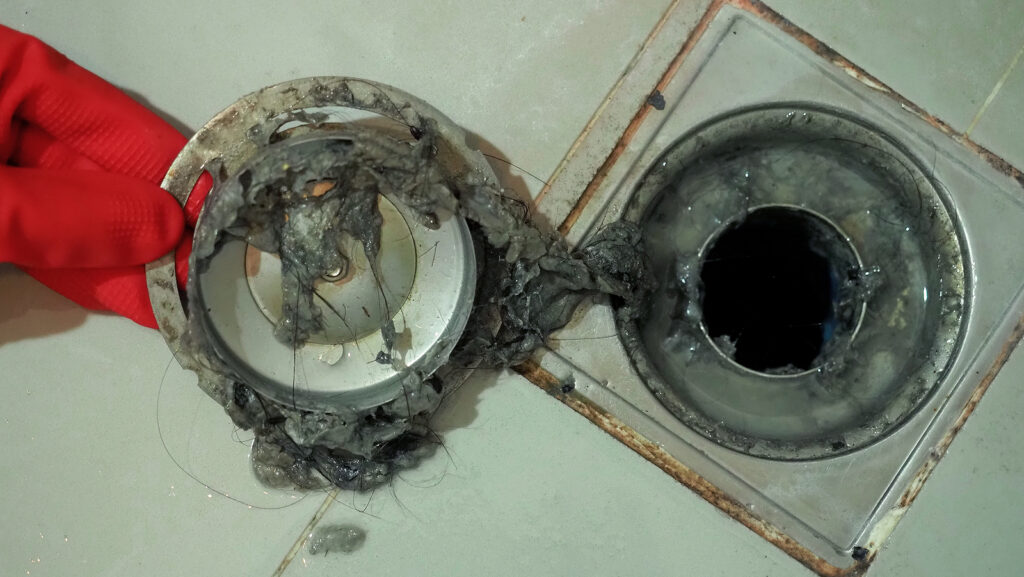
This happens often in older homes around Orlando and the surrounding areas. A drain cleaning can remove loose buildup, grease, sludge, or waste that causes an immediate smell. That part matters, and it often helps for a while. Still, if the inside of the pipe remains rough, cracked, corroded, or uneven, waste keeps catching in the same places. Moisture stays trapped. Bacteria grow again. Gases rise again. The odor returns because the conditions that created it never really went away.
Understanding this difference helps homeowners stop treating the symptom and start addressing the reason that sewer odors keep coming back.
Cleaning Removes Buildup, But It Does Not Always Restore the Pipe
Drain cleaning has a clear role. It removes what is stuck in the line right now. That may include grease, sludge, soap film, waste residue, black buildup, and loose debris. Once that material clears out, water starts moving more freely and the odor may fade because the worst source of trapped organic matter is gone.
The problem is that cleaning alone does not change the condition of the pipe wall. A pipe that has spent years collecting scale, corrosion, pitting, cracks, or rough interior damage still has the same surface after the cleaning ends. That surface continues to hold moisture and trap small waste particles. It creates the same hidden pockets that allowed bacteria and odor-producing residue to grow in the first place.
This is why some homes smell better right after service, but then slowly return to the same odor pattern. The pipe opened up, but the pipe never truly recovered.
Damaged Pipe Walls Trap More Than Homeowners Expect
Most homeowners think of a drain line as a smooth tube that only needs to be opened when it clogs. Older sewer lines often look nothing like that inside. Cast iron pipes, especially in older Orlando homes, can develop scaling, rust flakes, deep pitting, and rough channels along the interior wall. Even PVC or other newer materials can be damaged from long-term buildup, poor alignment, or worn joints.
Once the pipe wall turns rough, material does not flow through as cleanly. Tiny amounts of waste catch in low spots and uneven areas. Grease bonds to those surfaces. Soap sticks. Fine debris settles. Bacteria feed on all of it. Odor begins forming long before a full backup ever appears.
This is why a sewer smell can exist even when the drain still works. The issue may not be a solid blockage at all. It may be a damaged interior wall that keeps collecting just enough waste to keep producing odor.
Why Sewer Odors Often Return Faster in Older Cast Iron Systems
Older cast iron systems make this problem worse because corrosion changes the inside of the line in ways homeowners never see. The pipe does not just rust in one smooth layer. It flakes, scales, and pits unevenly. Some areas narrow. Others become jagged. The lower section of the pipe may start holding more moisture and waste than the upper section. All of this changes how the line behaves.
A cleaning can remove the loose material resting inside the pipe, but it cannot erase deep corrosion or rebuild smooth flow by itself. That means odor-producing residue quickly begins building again in the same damaged places. In homes with older cast iron, this cycle can become predictable. The drain gets cleaned. The smell improves. Then, after normal use returns, the odor slowly comes back.
This pattern usually tells you that the system needs more than one cleaning. It needs a way to improve the pipe surface itself.
Biofilm Returns Quickly on a Damaged Interior
Biofilm plays a major role in recurring sewer odors. Biofilm is a slimy layer of bacteria and residue that forms along the pipe wall when moisture and organic material stay in place long enough to feed microbial growth. Once it develops, it creates a strong source of odor because bacteria produce gases as they break down waste.
A heavily damaged pipe interior helps biofilm grow faster because it gives bacteria more places to hide and hold on. Rough surfaces protect the film from being fully flushed away by normal water flow. Even after a cleaning, leftover residue in pits, channels, and weak joints can act like a starter layer. The biofilm grows back and the odor follows.
This is one reason recurring smells often come back even when the homeowner has already tried drain treatments, flushing, or temporary odor control products. The bacteria are not starting from zero. They are rebuilding inside a pipe that still supports them.
Cracks and Joint Gaps Can Keep the Smell Active
Not every sewer odor comes from buildup alone. In some homes, the pipe has small cracks, weakened seams, or joint gaps that allow sewer gases to escape more easily. A cleaning may reduce odor for a short time because less trapped waste remains in the line, but the gas path still exists.
Once normal use resumes, new organic matter and moisture inside the pipe create fresh gas. If the system has a structural weak point, those gases can travel out through that area and back toward the home or yard. This can create odors that seem inconsistent. The smell may be stronger after showers, dishwashing, laundry, or heavy water use because the system gets stirred up during those times.
This is another reason recurring odor should not be treated like a simple cleaning issue. It may involve the physical condition of the line itself.
Why Flow Problems and Odor Problems Often Go Together
A sewer line that smells bad often has a flow issue too, even if the homeowner has not noticed it clearly yet. Water may still move, but not as efficiently as it should. A little waste remains behind after each cycle. A little more moisture sits in damaged spots. A little more pressure builds in areas where the flow should be smoother. Over time, these conditions create both resistance and odor.
This is why many odor complaints later turn into slow drains, gurgling, repeated clogs, or backups. The smell is often one of the earliest signs that the line is not emptying cleanly anymore. The system is still working, but it is not working well.
A cleaning helps remove what is there at the moment. It does not change the parts of the pipe that keep making the same problem possible.
Why Surface Condition Matters More Than Many Homeowners Realize
Pipe interior condition controls more of the daily performance of a drain system than most homeowners realize. A line can be technically open and still be unhealthy. It can pass water while continuing to trap residue. It can avoid a full backup while producing odor every day. That is why recurring sewer odor can be so confusing. The home does not appear to have a major blockage, but something still feels wrong.
The missing piece is usually the surface condition. Once the pipe interior stays rough, pitted, or cracked, it behaves differently under normal use. Waste no longer clears cleanly. Moisture no longer leaves evenly. Odor-producing material no longer gets flushed out with each cycle.
A healthier line is not just one that is unclogged. It has a surface that supports clean flow and does not invite residue back in.
Why Pipe Restoration Solves What Cleaning Cannot
Pipe restoration changes the actual condition of the line instead of only clearing what sits inside it. After proper cleaning and preparation, restoration creates a new interior surface that is smoother, sealed, and far less likely to hold waste. This matters because the source of recurring odor often lives in the damaged wall itself.
A restored pipe reduces the places where sludge, biofilm, and organic residue can catch and remain active. It also helps seal small cracks or weak joints that may be letting sewer gases travel where they should not. Homeowners often notice that odor problems improve more reliably after restoration because the line stops recreating the same hidden conditions that cleaning alone could not remove.
This is especially helpful in older Orlando area homes where cast iron systems may still hold enough structure to be restored without full replacement, but no longer have an interior that can stay clean on its own.
Why Recurring Odor Is Worth Investigating Early
Homeowners sometimes wait for recurring sewer odor because it feels less urgent than a full backup. That wait can allow the line to keep deteriorating. Biofilm grows thicker. Corrosion spreads. Cracks widen. Waste keeps hanging in the same places. The problem that first showed up as a smell may eventually show up as a clog, a slab moisture issue, or a branch line backup.
Early attention gives homeowners better options. A camera inspection and full evaluation can reveal whether the issue is simple buildup, deeper pipe decay, joint weakness, or a combination of all three. The earlier the condition is identified, the easier it is to plan a solution that protects the home from a larger drain failure.
Recurring odor usually means the line is asking for more than a fresh cleaning. It is asking for a closer look.
FAQs
Why does the sewer odor come back after the drain was cleaned?
The cleaning may remove loose buildup, but the pipe interior can still be rough, cracked, or corroded. That damage allows new residue and bacteria to collect again.
Can a pipe smell bad even if it is not fully clogged?
Yes. A pipe can still carry water while holding waste, biofilm, and odor-producing material along damaged interior surfaces.
Does cast iron make recurring sewer odor more likely?
Yes. Older cast iron often develops rough corrosion and scale that trap moisture and waste, which helps odors return faster.
Can sewer gases come back because of small cracks or joints?
Yes. Small structural openings can allow gases to escape even after cleaning removes the immediate buildup.
What helps more than repeated cleaning when odors keep coming back?
A full inspection and, in many cases, pipe restoration help more because they improve the pipe surface and address the damaged areas that keep causing the smell.
Stop chasing the same sewer odor over and over. Call We Fix Drains at 407-426-9955 for expert inspection and pipe restoration in Orlando and nearby areas.